Vienna coffee houses are not just places to grab a drink. They are long-standing institutions, woven into the city’s identity as much as its palaces and concert halls.
I may earn a small commission if you make a purchase using my affiliate links.
I’m Hazel, a British solo traveller, and I visited several of Vienna’s most famous coffee houses to see what they were actually like beyond the polished photos and guidebook praise.
After eight full days drifting between chandeliers, marble tables, and immaculate cake displays, I began to understand why Vienna coffee houses are considered cultural landmarks rather than cafés. It is a difficult research assignment, but someone had to do it.
Here’s how they felt in real life.
Note: If you’re new to Vienna coffee houses, it’s worth understanding the service style first. I explain the whole “why does everyone look mildly unimpressed?” thing in my Vienna coffee culture post – it makes a big difference once you know what’s going on.
Café Central
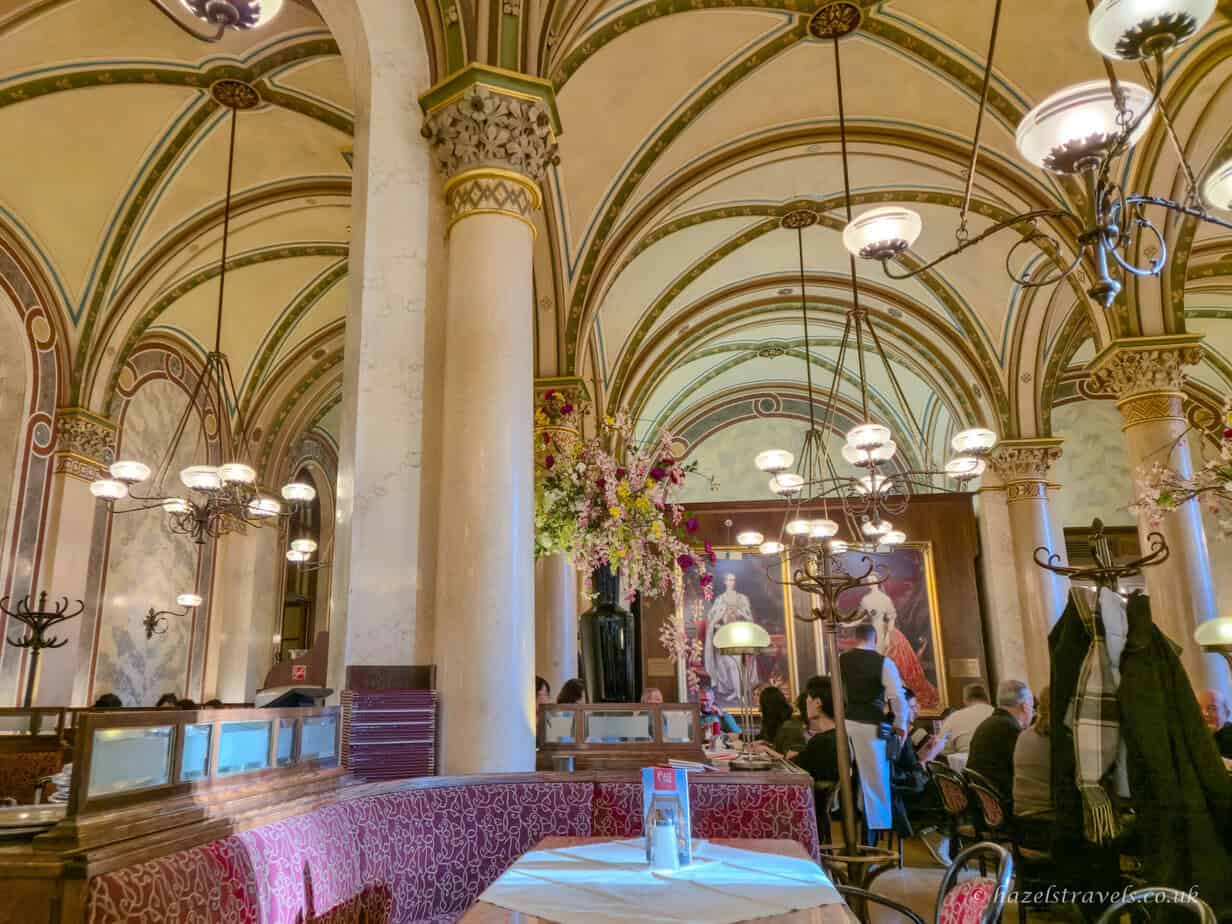
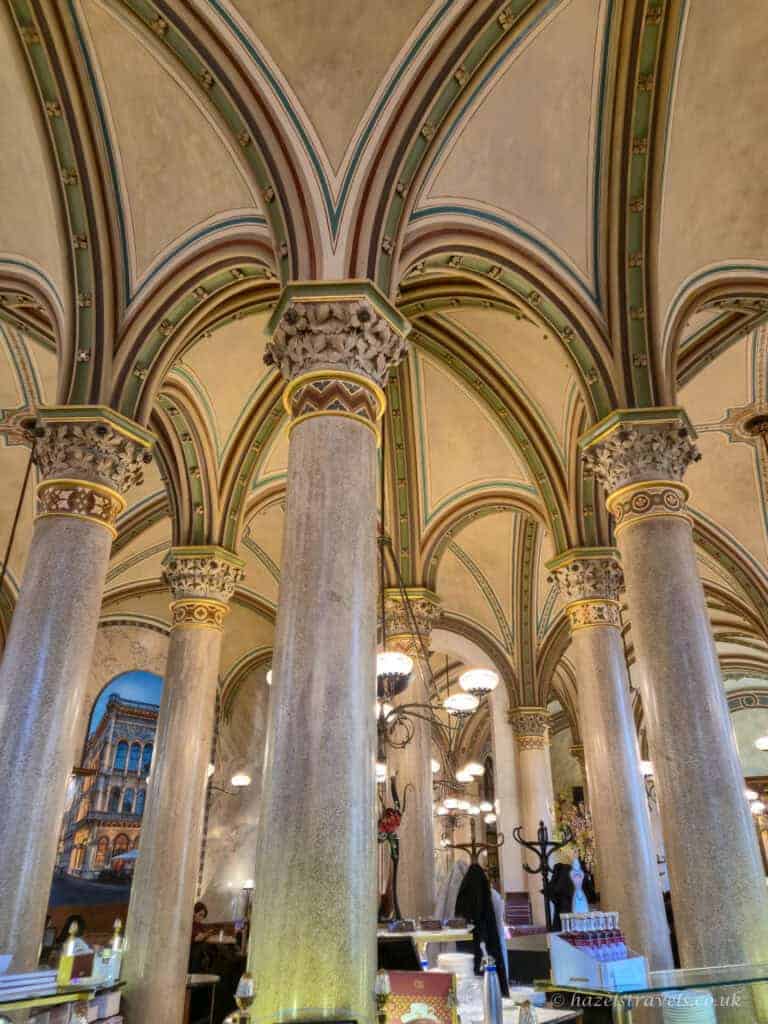
Café Central is the grand one. High vaulted ceilings, dramatic arches, waiters weaving between marble tables with impressive efficiency.
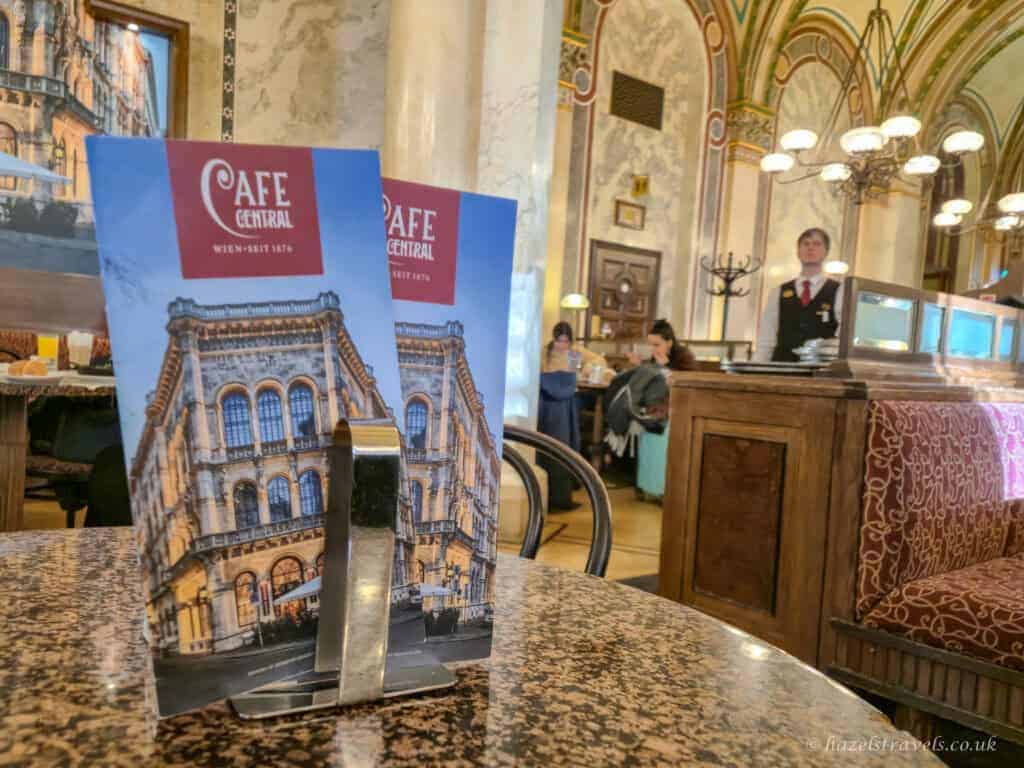
It is busy. It is theatrical. It feels like stepping into a 19th-century salon, even if half the room is holding smartphones.
I had their vegan breakfast spread here, and it was genuinely excellent – creative, generous, and far more interesting than the standard fruit-and-toast option you sometimes get. It felt thoughtful rather than token.
If you want spectacle, this is it. If you want quiet contemplation, maybe try somewhere else.
Café Sacher
Café Sacher leans elegant rather than overwhelming. Dark wood, red upholstery, polished formality.
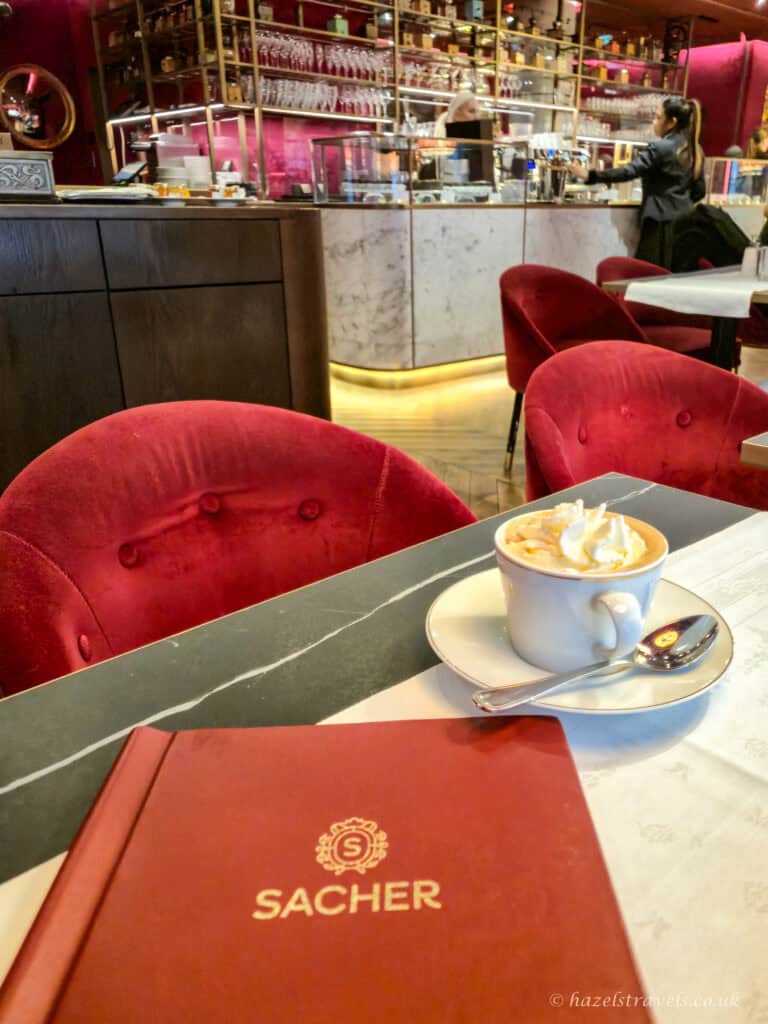
I ordered a melange coffee, which arrived topped with whipped cream – I later learned this is often the tourist-friendly version. The Sachertorte cake is, of course, the headline act.
This is also where I had eggs Benedict – and I do not say this lightly – it was one of the best I have ever had. Perfectly poached eggs, rich hollandaise, no shortcuts. It reminded me that these places are not just about cake.
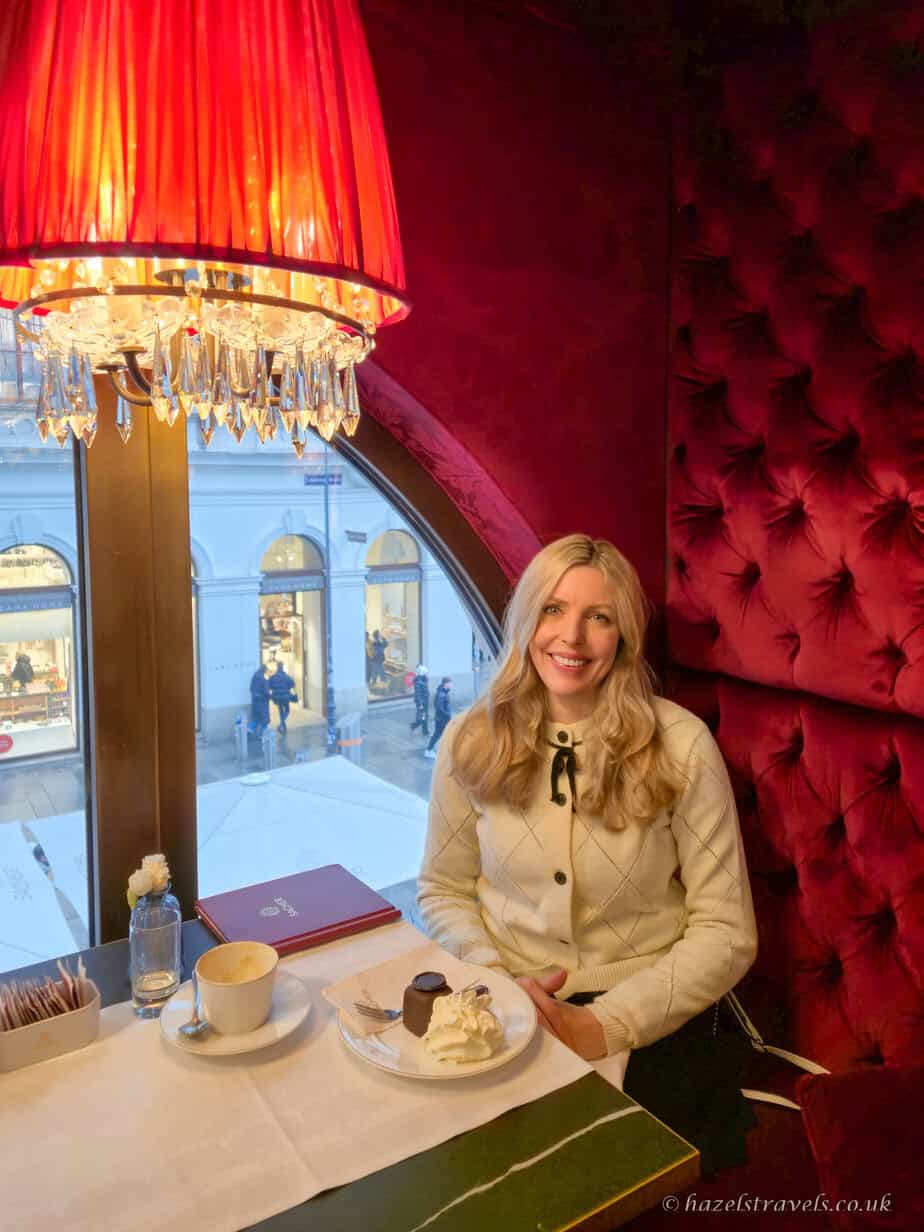
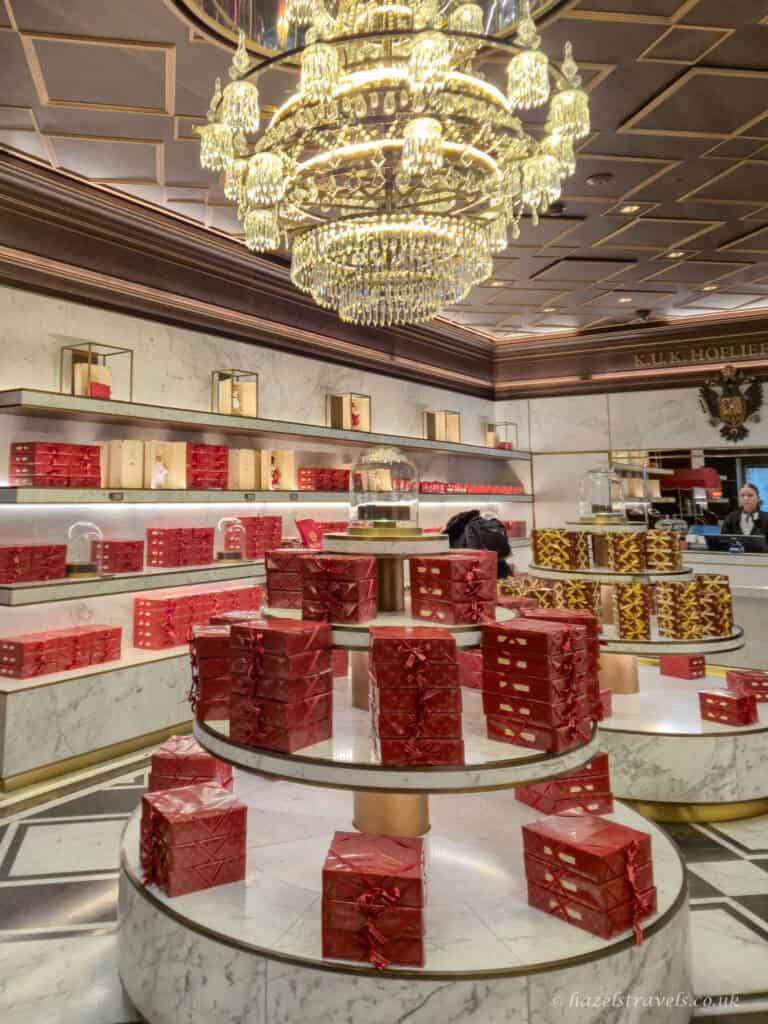
Café Sacher feels refined, curated, very aware of its reputation. It knows exactly who it is.
Sluka Café Conditorei
Sluka felt more local. The service was brisk and unapologetically direct. You will not be asked how your day is going. This felt like a proper Viennese coffee house rather than a performance of one.
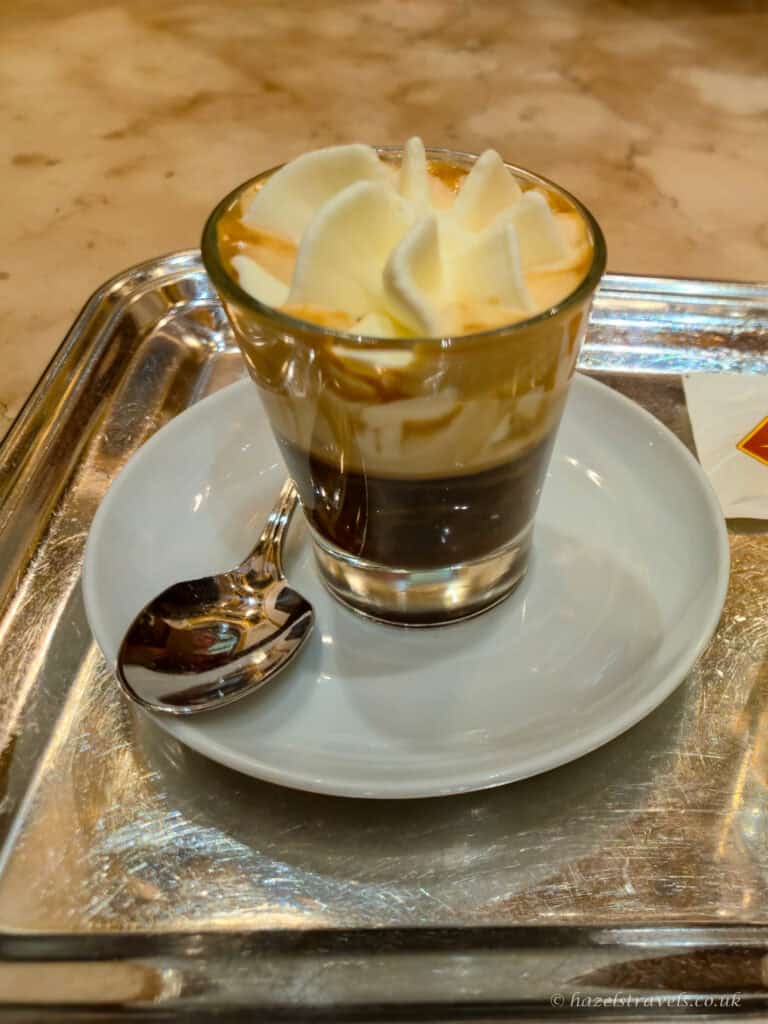
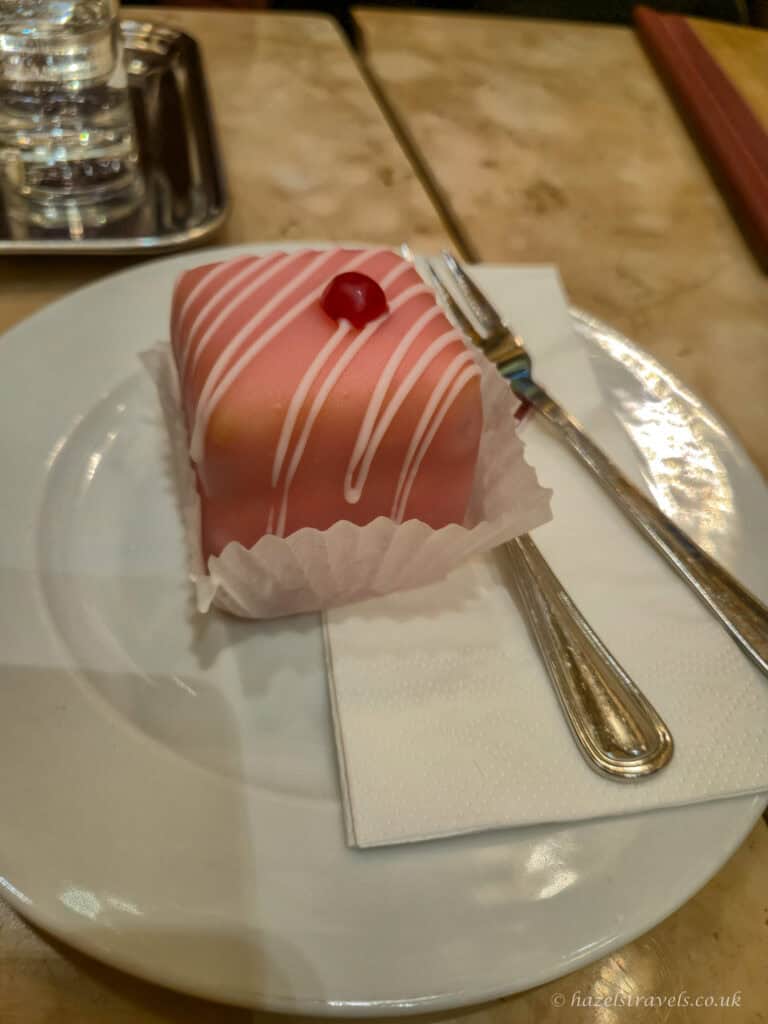
The Einspanner here was excellent, served in a glass beneath a thick cloud of cream.
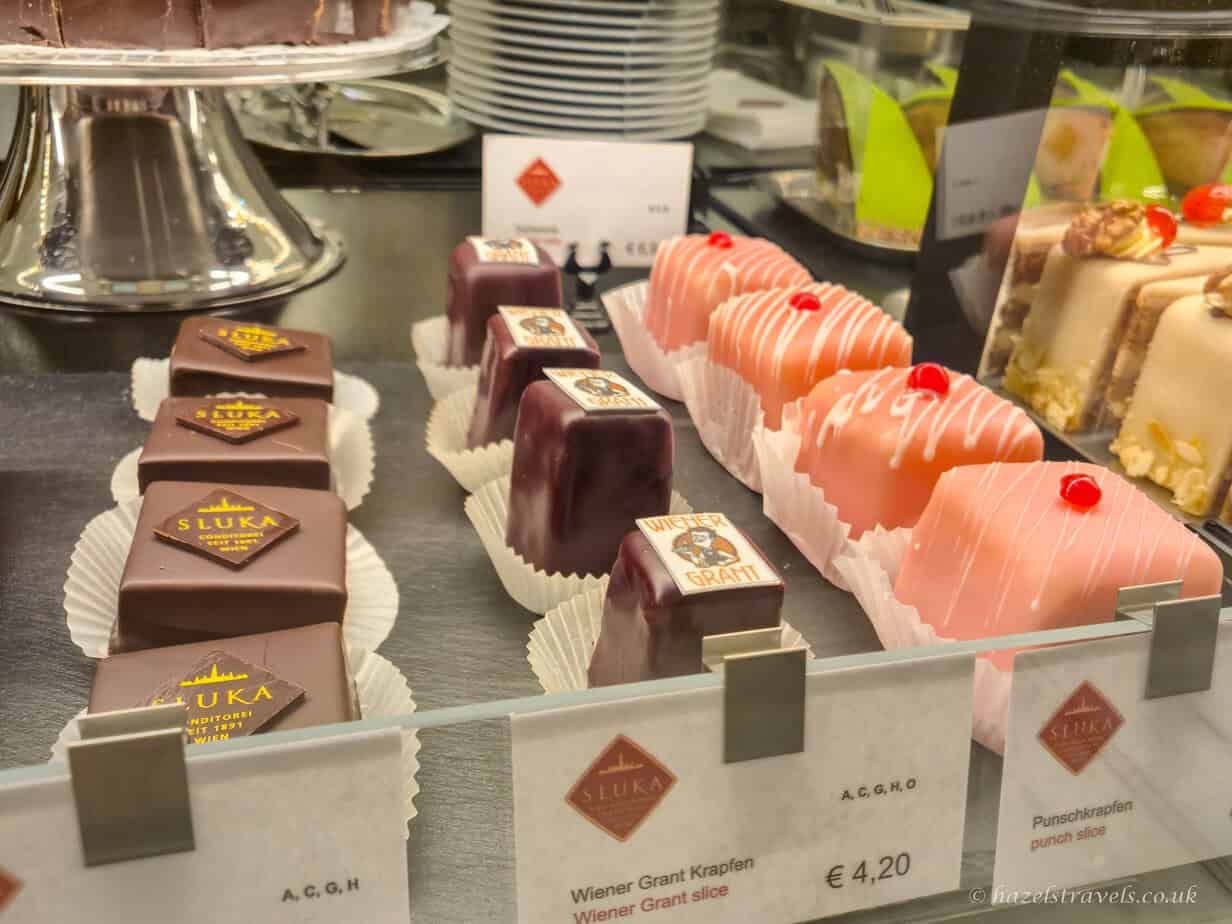
But the highlight for me was the Punschkrapfen. It was nicely alcoholic without being overpowering; sweet, slightly sharp, and unapologetically pink. Exactly what punch cake should be.
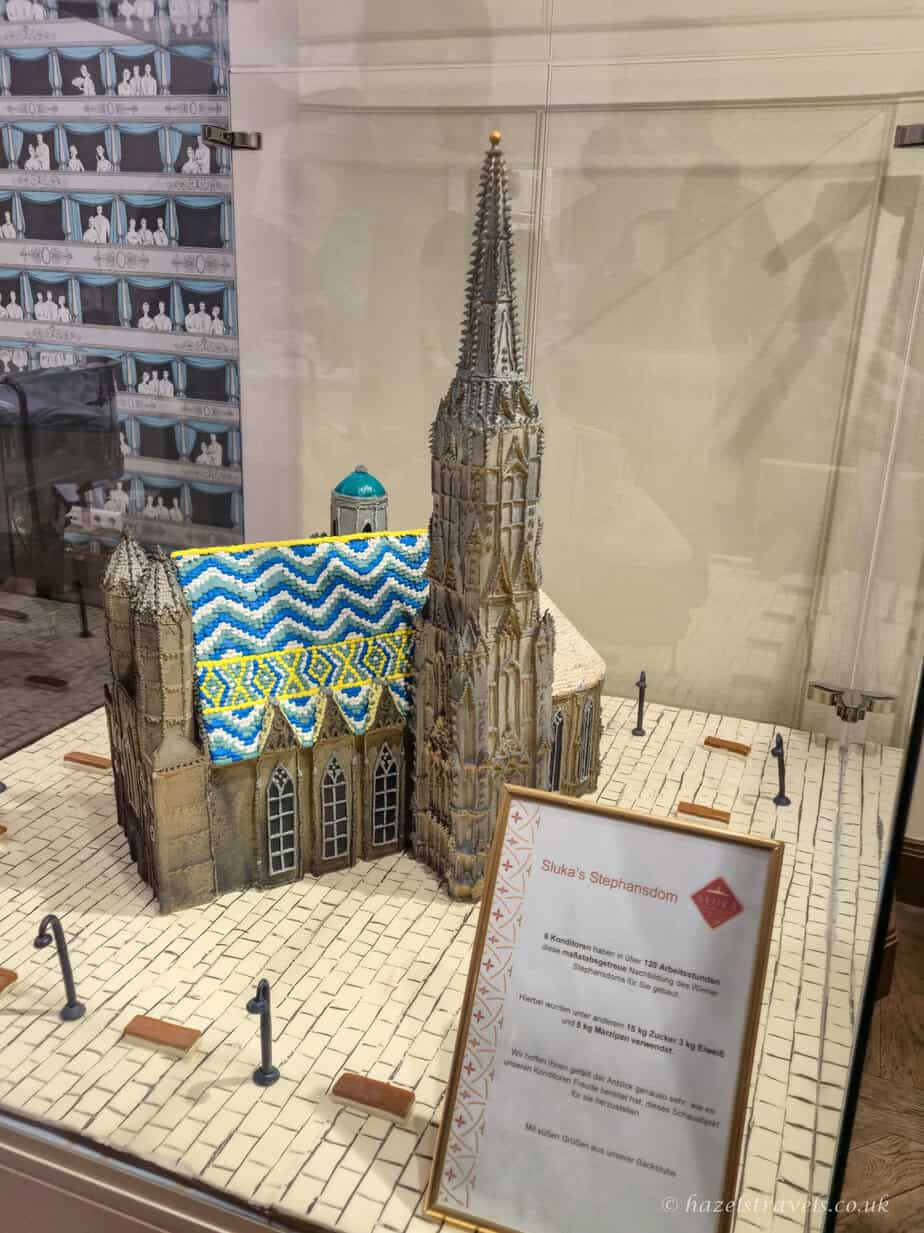
I also noticed a cake called ‘Wiener Grant’ – a nod to the famous Vienna restrained serving style – and stood admiring an enormous sugar replica of St Stephen’s Cathedral.
There is something reassuring about a place that takes its cake this seriously. You feel safe in its hands.
Café Diglas
Diglas has warmth without losing tradition. It felt slightly more relaxed than some of the others, while still retaining marble tables and chandelier credentials.
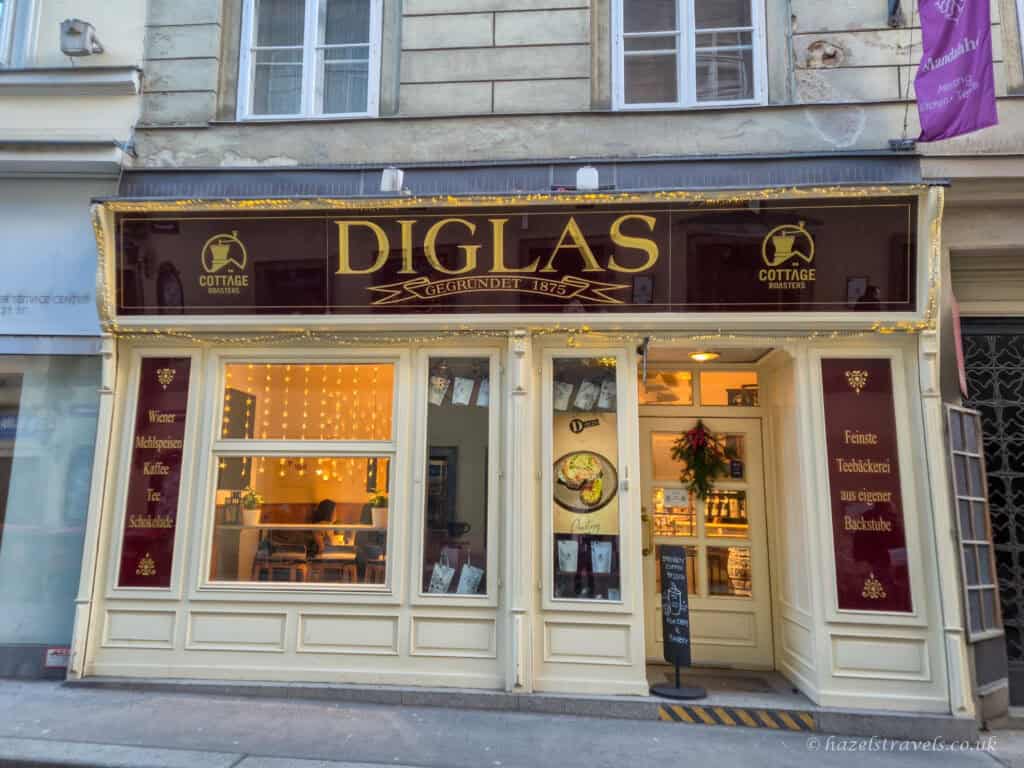
The coffee I tried here was extremely strong and a little bitter – coffee for purists rather than casual drinkers. This is not the place to ease yourself into caffeine.
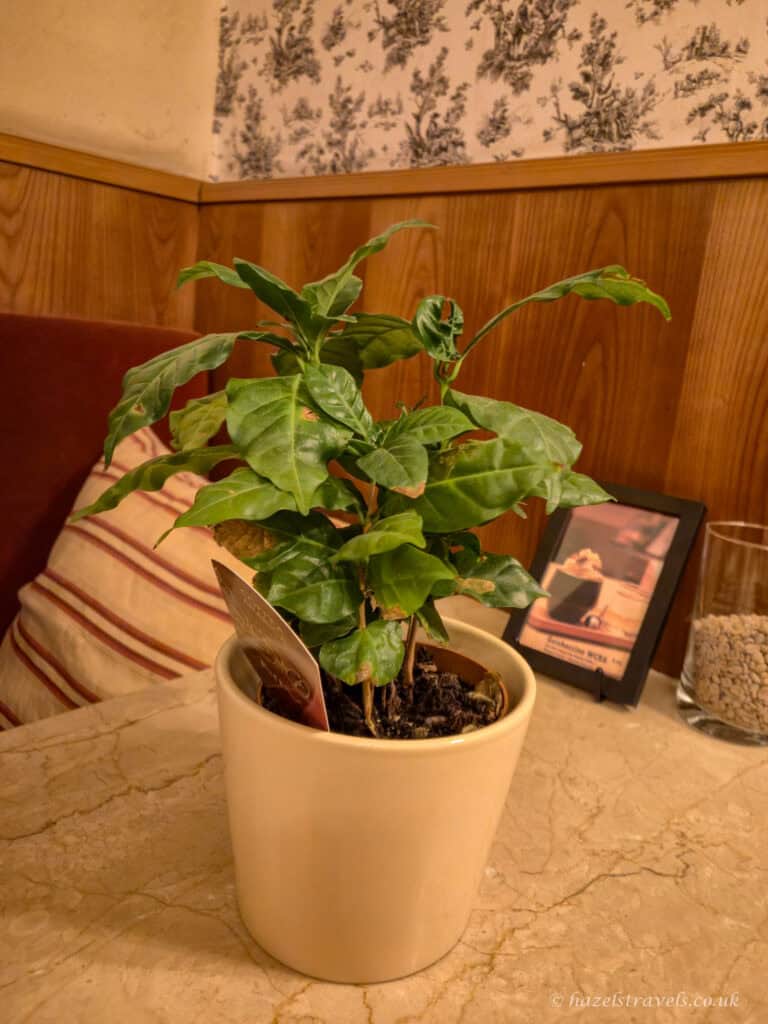
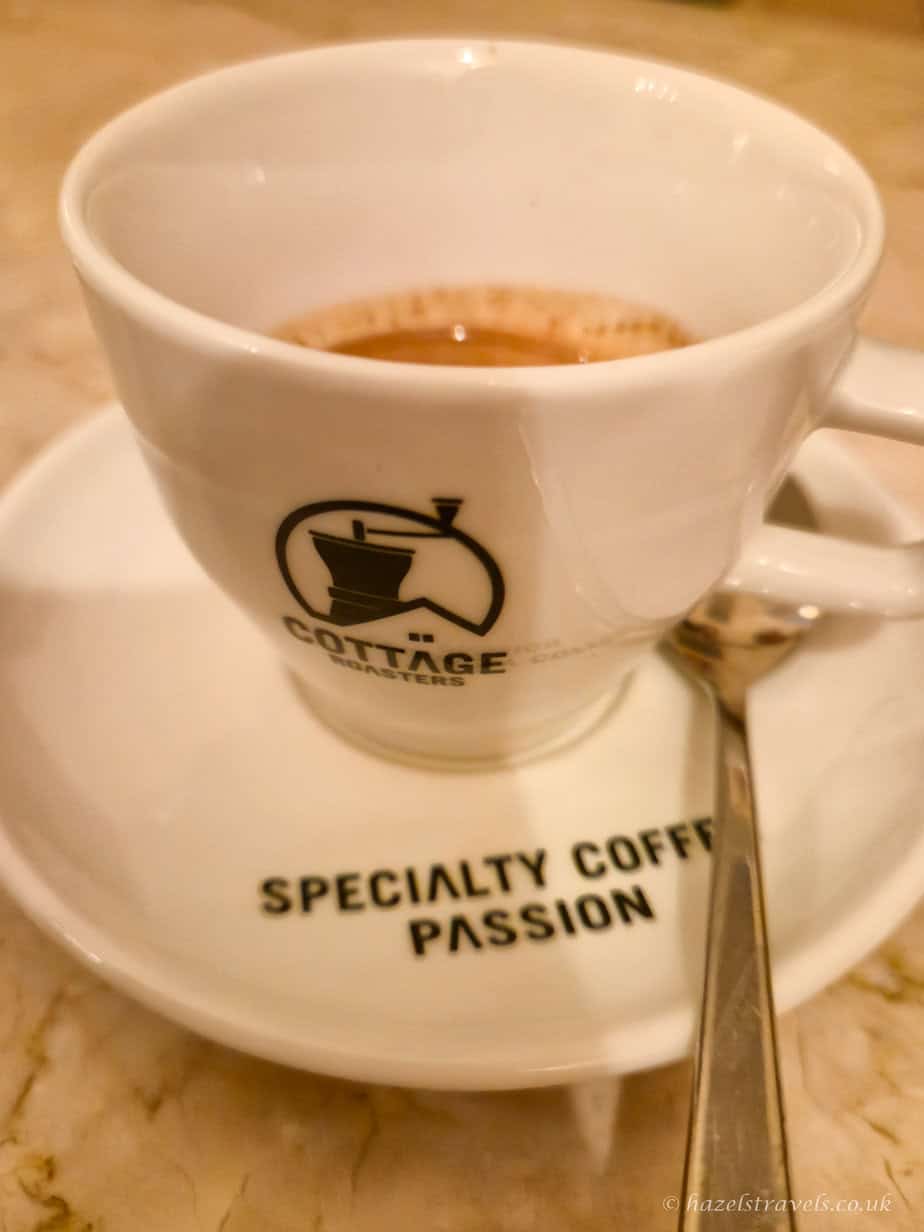
They sell their own coffee by the bag, and there were actual coffee plants on the tables, which I loved. It felt quietly confident about its craft.
If you want traditional but not overwhelming, Diglas is a good middle ground.
Café Demel
Café Demel is beautiful.
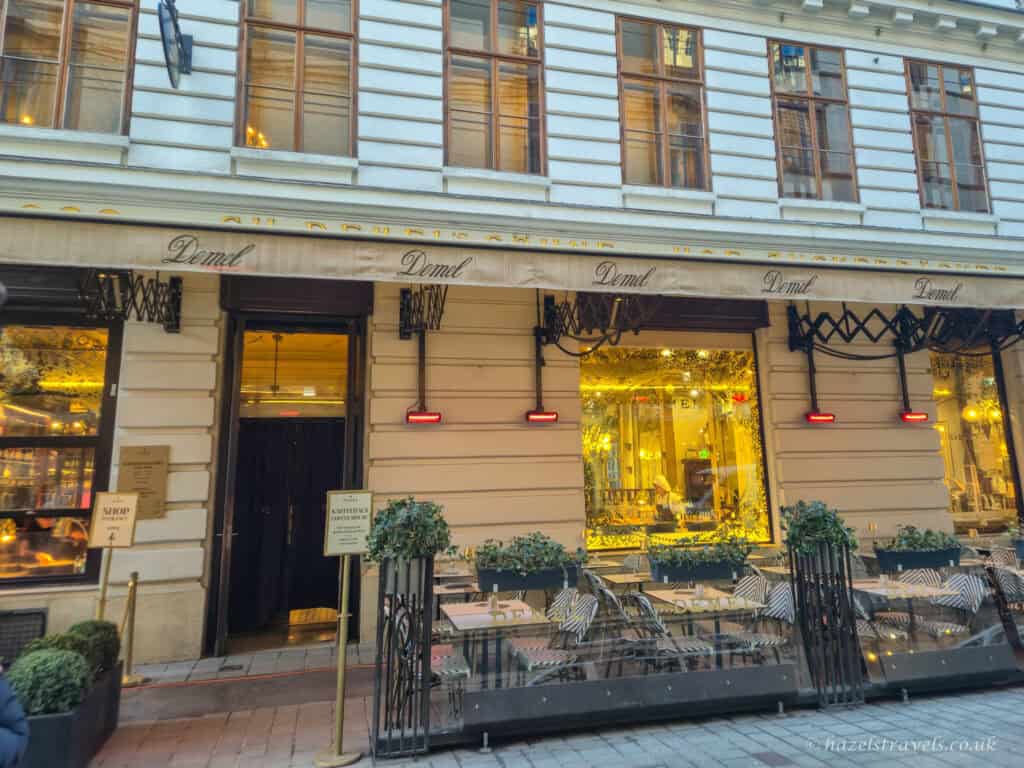
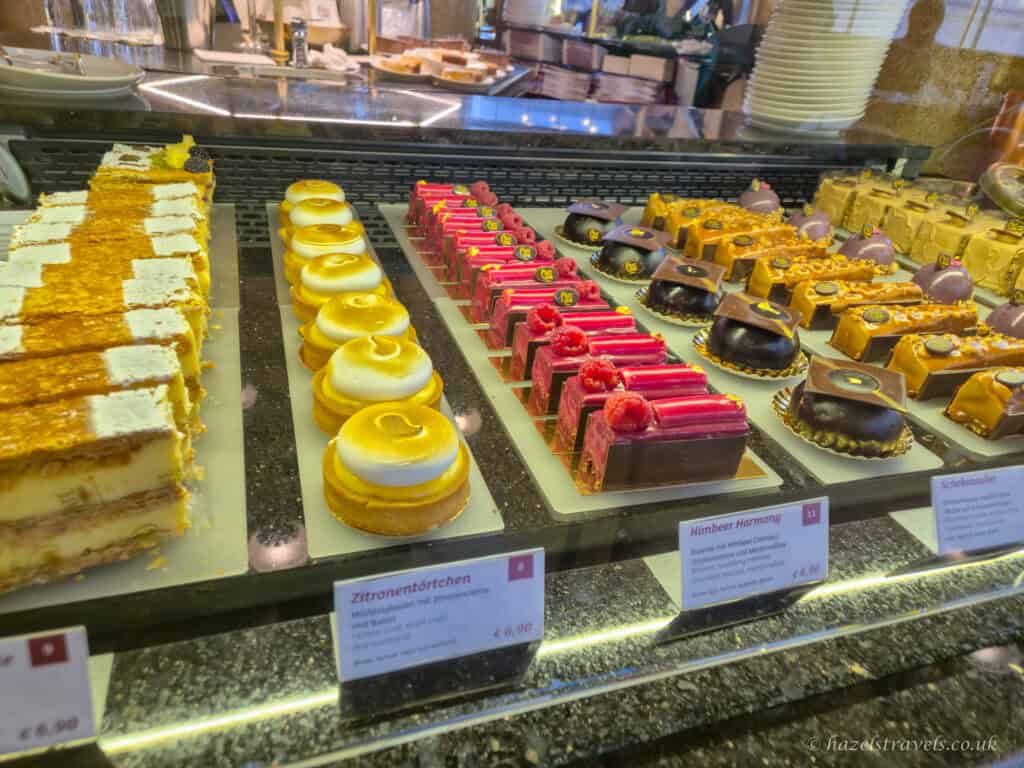
The pastry displays are almost museum-like. You can watch confectioners working in the open kitchen area, which adds theatre without feeling forced.
It feels slightly more delicate than Sacher, a little more focused on precision than brand.
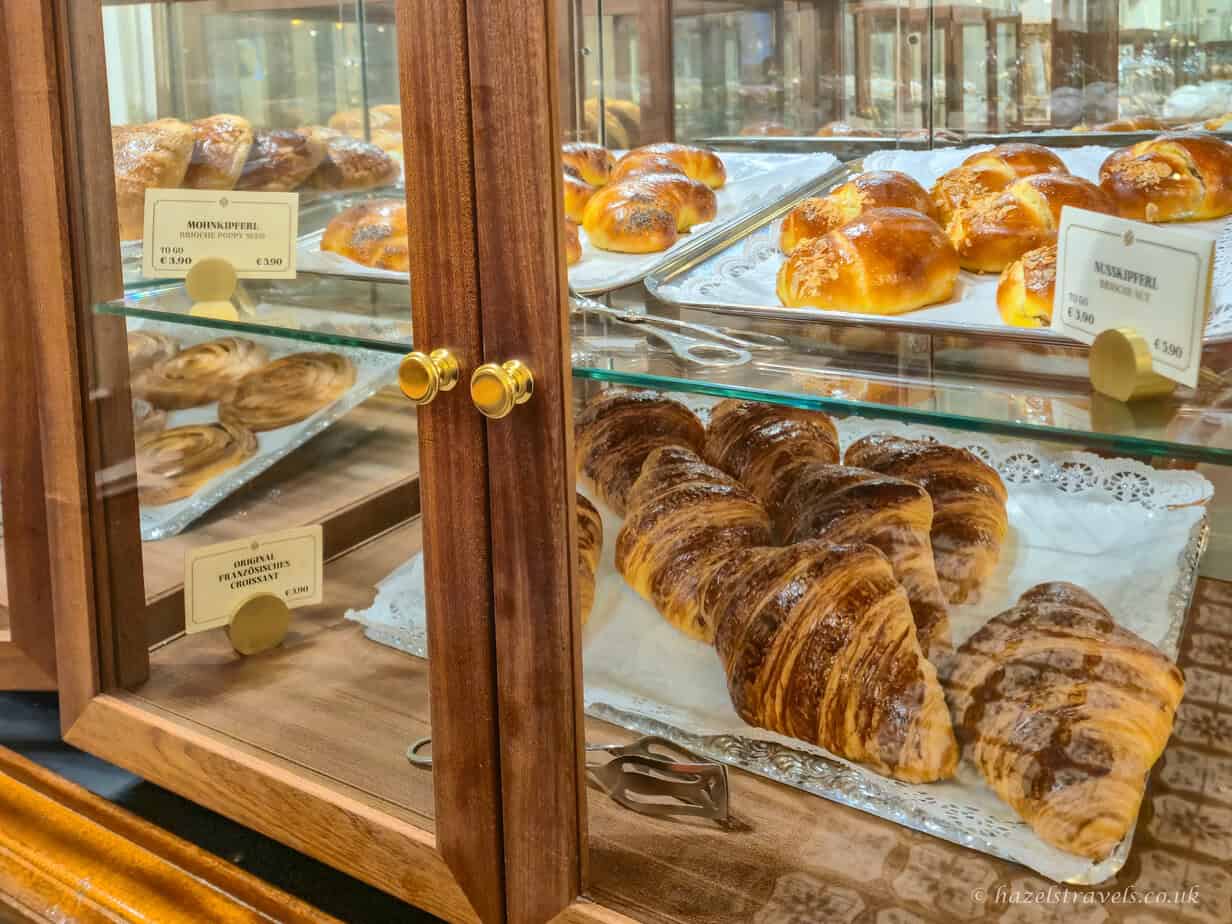
If you are in Vienna for cake comparisons (which you absolutely should be), Demel is essential. I put it head-to-head with Hotel Sacher in a full taste test, and the verdict surprised me.
Wiener Söhne
Wiener Söhne felt contemporary but still rooted in tradition. Less chandelier-heavy, more modern in tone, but still serious about its coffee.
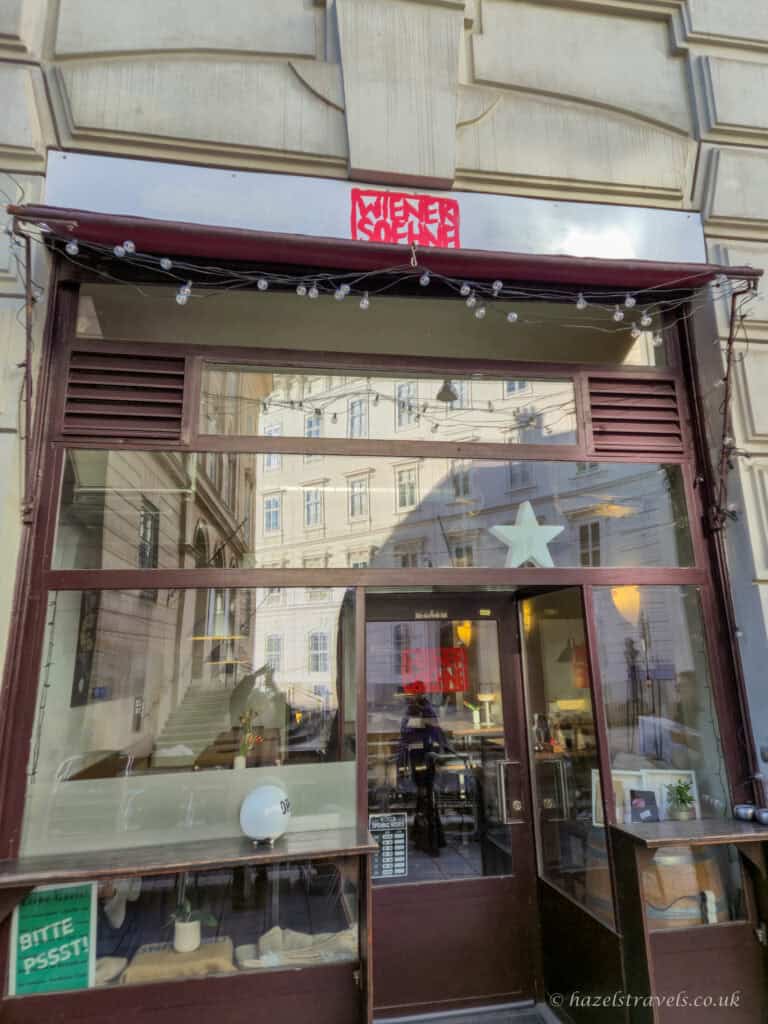
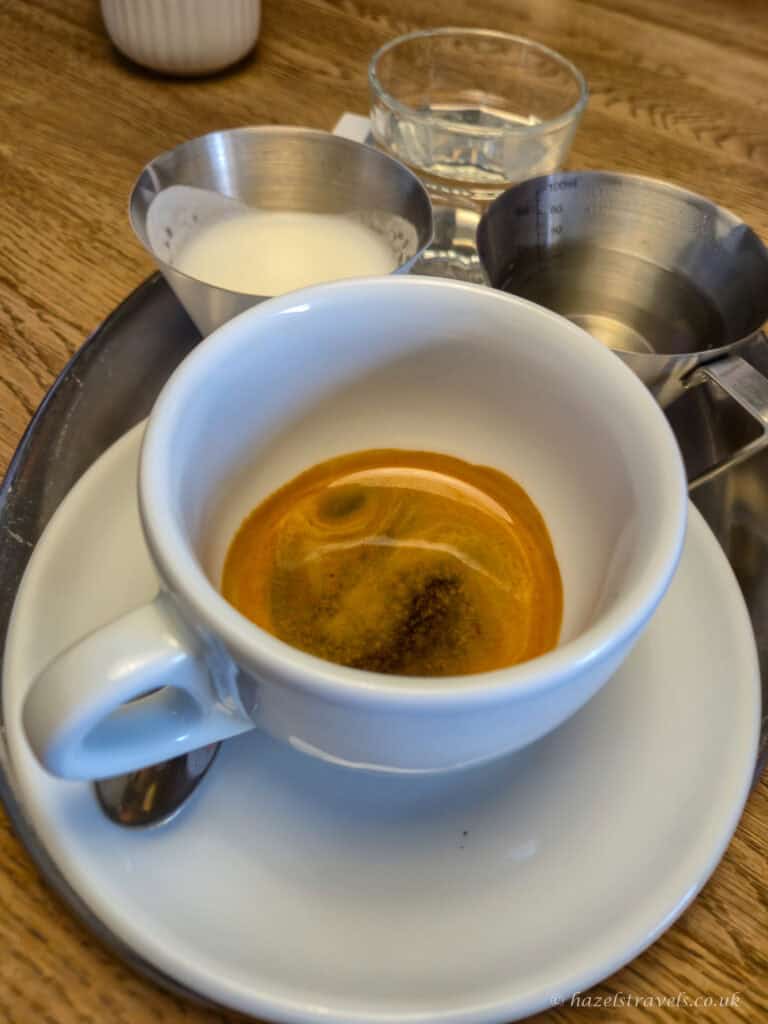
I met the owner here, who showed me the bags of coffee they sell and chatted openly about what they do. No Wiener Grant in sight, just friendliness and actual conversation.
It felt personal rather than performative.
It is a good option if you want the culture without full imperial immersion.
The Coffee House Inside the Kunsthistorisches Museum
This one deserves its own mention.
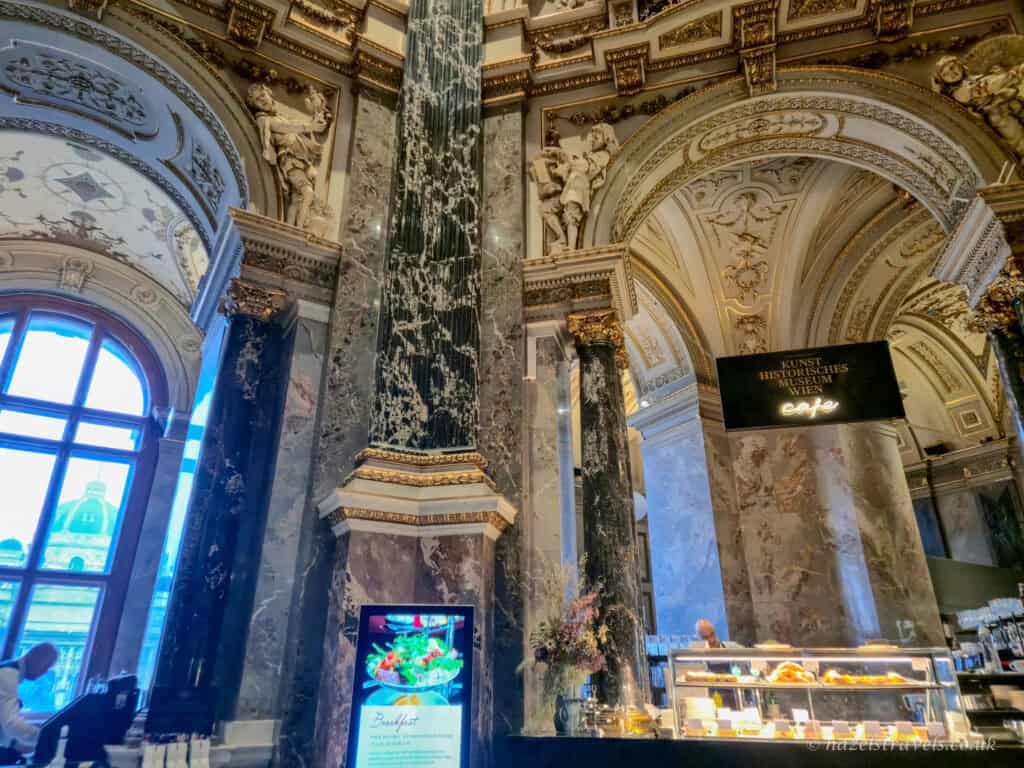
The interiors are extraordinary. Marble, gilding, towering ceilings. It feels almost absurd to sit down for coffee surrounded by that level of grandeur. You half expect someone to hand you a crown.
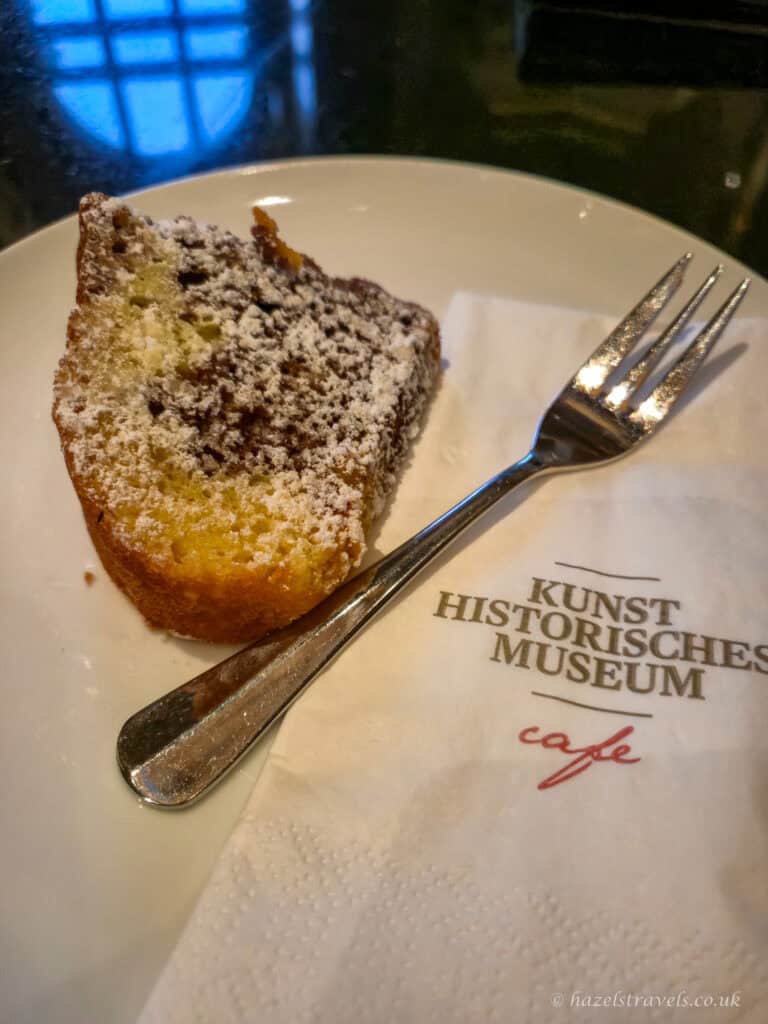
It was extremely busy – I queued for about half an hour to get in – but once seated, the service was impeccable. Calm, efficient, unflustered.
If you are visiting the Kunsthistorisches Museum anyway, stopping here feels mandatory.
Café Exchange
This one felt completely different.
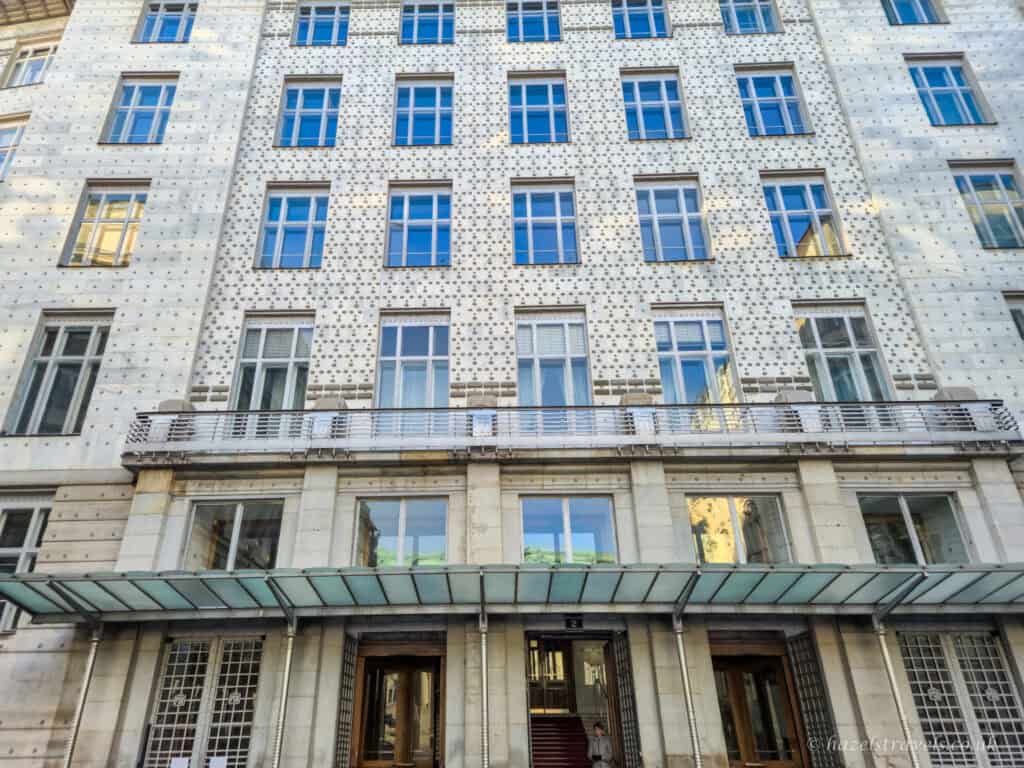
Located inside the former Austrian Postal Savings Bank building designed by Otto Wagner, Café Exchange does not have the usual chandeliers, marble tables, or layered imperial drama.
Instead, it is modern, pared-back, and architectural. The building itself does the talking.
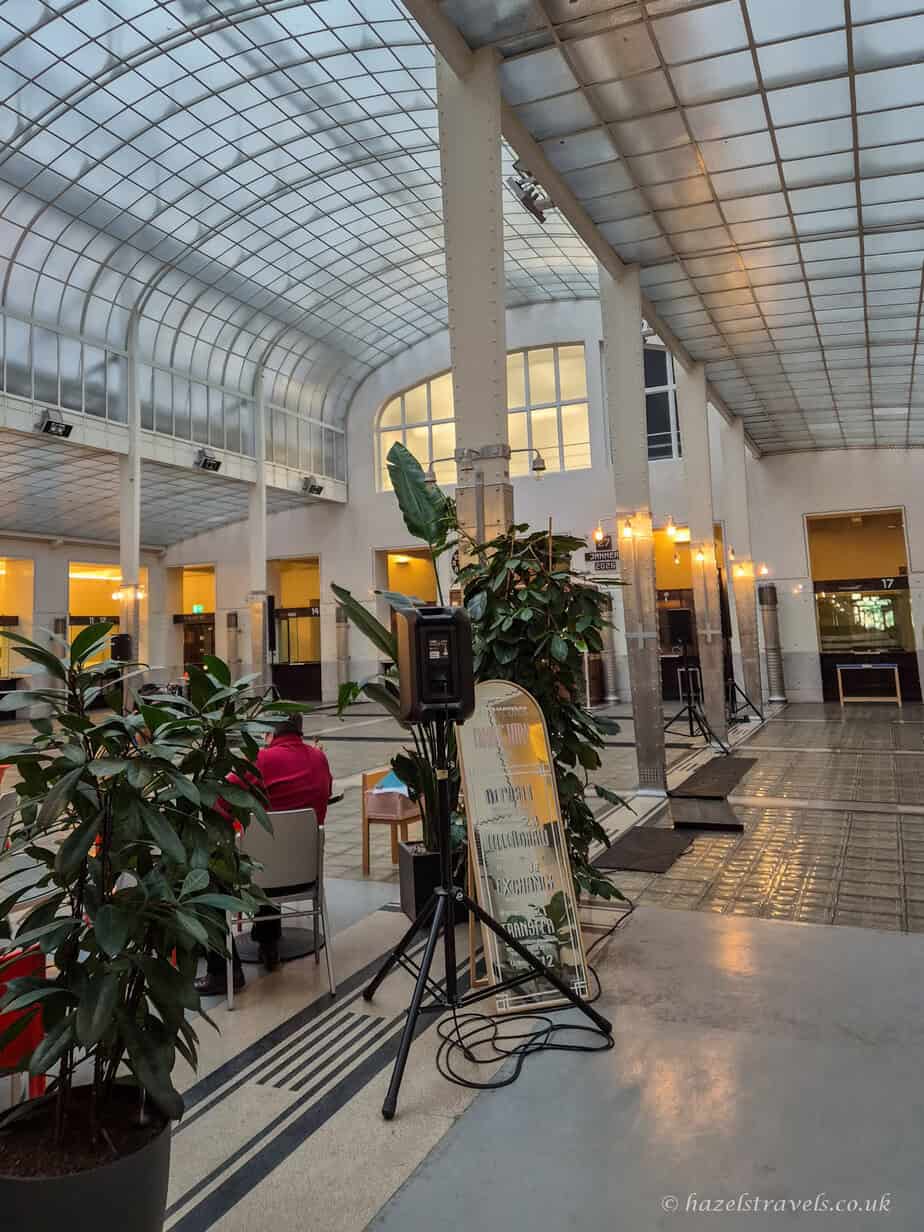
It proves something important: Vienna coffee houses are not frozen in time. They can also adapt historic spaces in new ways. It felt like a clever reuse of a grand building rather than a recreation of tradition.
Different – but still worth visiting.
What They All Have in Common
With one clear exception (the café inside the former bank) most traditional Vienna coffee houses share certain traits:
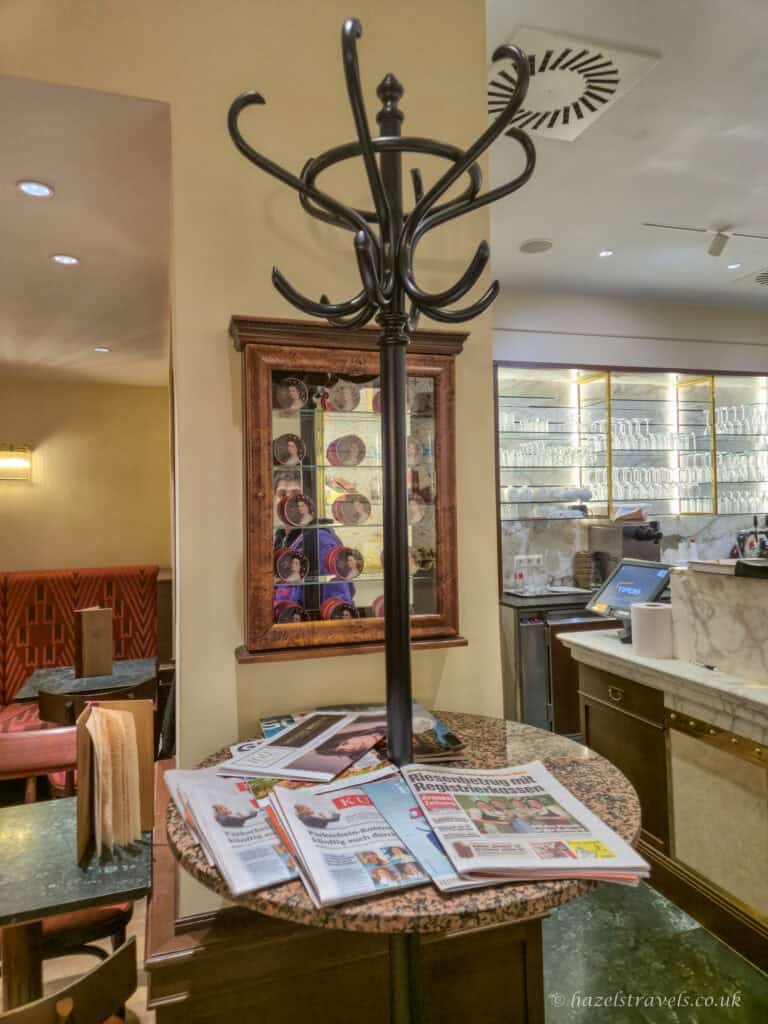
- Marble tables
- Bentwood chairs
- Cake displays treated with reverence
- Waiting staff who may appear mildly exasperated but who will still execute your coffee order with flawless precision.
- An unspoken permission to sit longer than feels socially normal elsewhere
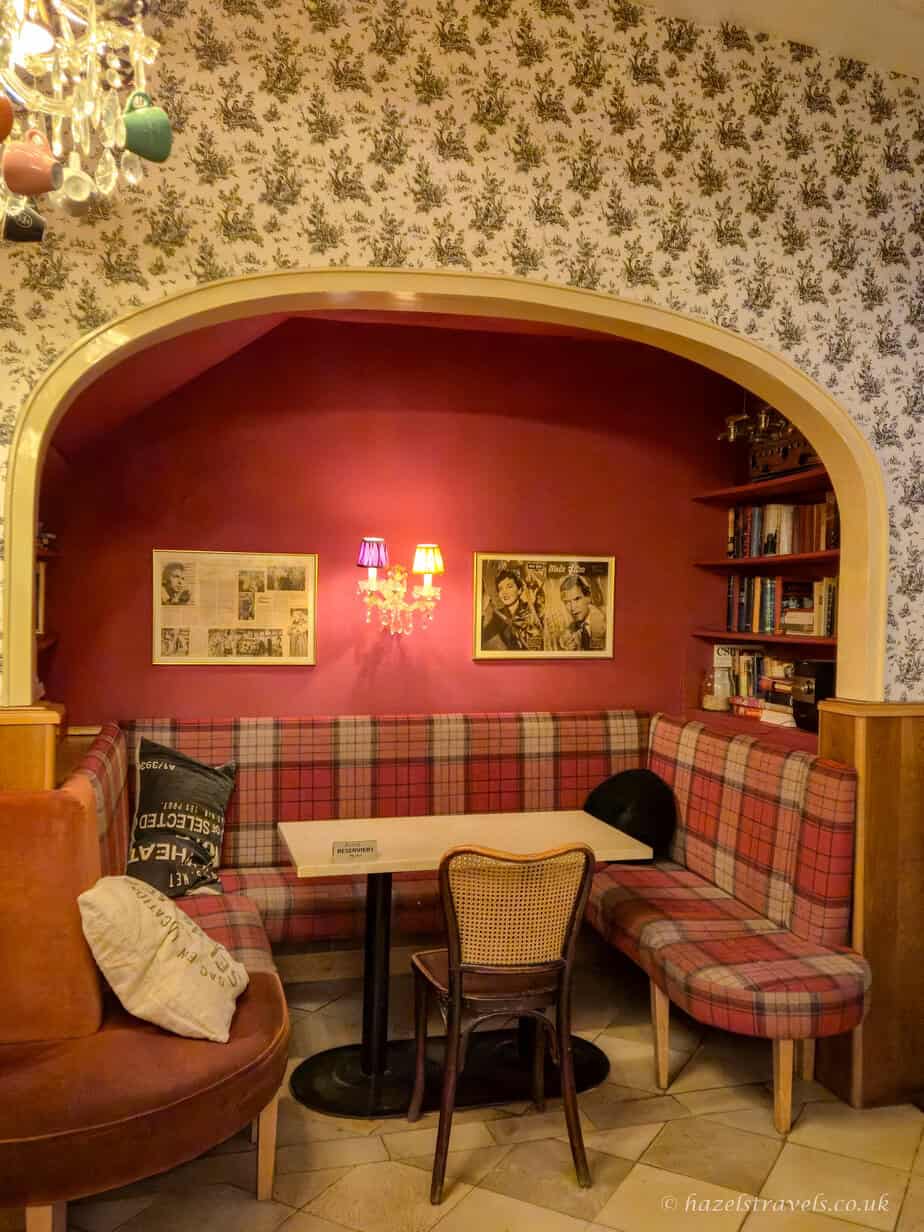
And most importantly, a sense that these spaces exist for more than caffeine.
They are places to pause.
Why They’re Worth Your Time
You don’t visit Vienna’s coffee houses purely for caffeine.
You go for the atmosphere. For the chandeliers and marble tables. For the unapologetic cake displays. For the waiter who may appear some shade of unimpressed but will still place your melange down with quiet precision.
Each one I visited felt like a slightly different personality. Central is dramatic. Sacher is polished. Sluka is direct. Diglas is serious about coffee. Demel is pastry-focused. Wiener Söhne is friendly and modern. The museum café is grand and efficient. The former bank café is architectural and unexpected.
They are not interchangeable, even if they share marble tables and chandeliers.
Part of the fun is working out which one suits you best. Do you want spectacle? Elegance? Something quieter and more local? Vienna coffee houses give you options, all within walking distance of each other.
Pick one. Or pick several. Compare the melange. Debate the best Sachertorte as if it’s a matter of national importance (it kind of is). Notice which atmosphere suits you.
That is the quiet joy of visiting Vienna coffee houses.
FAQs: Vienna Coffee Houses 💡
Planning to visit some Vienna coffee houses? Here are a few practical answers to help you choose where to go and what to expect.
Which Vienna coffee houses are the most famous?
Café Central is the most famous Vienna coffee house, known for its grand arches and historic atmosphere. Café Sacher and Demel are also iconic, particularly for their cakes. All three are located in the historic centre.
Are the coffee places in Vienna just for tourists?
Some Vienna coffee houses are firmly on the tourist trail, especially Café Central and Café Sacher. However, they still retain traditional interiors and rituals. Places like Sluka and Diglas often feel more local while maintaining the same classic style.
Do you need a reservation for a Viennese coffeehouse?
Most places operate on a walk-in basis, but you may need to queue at peak times, particularly at Café Central or Café Sacher. Visiting earlier in the morning or mid-afternoon is usually quieter.
What is the typical coffee order in Vienna?
A melange is the classic choice, similar to a cappuccino. An Einspanner, served in a glass with whipped cream, is another traditional option. Pair it with Sachertorte, Punschkrapfen, Apfelstrudel, or another house-made cake.
How long can you stay in Vienna coffee houses?
One of the defining features of coffee houses in Vienna is that you are expected to linger. Ordering a single coffee generally allows you to sit without pressure to leave.
Map: Vienna Coffee Houses Mentioned
If you are planning your own coffee route, here are the Vienna coffee houses mentioned in this post:
You can easily visit several of these in a single day (although it would be a lot of coffee!), particularly those located within Vienna’s historic centre.
Continue Exploring Vienna ☕
If you’re planning the rest of your time in Vienna, these guides will help you go deeper:
📖 Vienna Coffee Culture Explained (And Why the Waiters Seem Bored)
The history, etiquette, and why lingering for hours is completely normal.
🍽️ Food in Vienna: Schnitzel, Strudel & Seriously Good Coffee
The iconic dishes to try and where to eat them.
🍫 Best Sachertorte in Vienna: Sacher vs Demel (And My Honest Verdict)
The ultimate chocolate showdown, and which slice is actually worth it.
🏰 Vienna Highlights: The Main Sights (And What They’re Really Like)
The must-see landmarks, minus the glossy brochure version.
🛏️ Where to Stay in Vienna for Solo Travellers
A breakdown of the best districts, what each area feels like, and hotel suggestions that are calm, well-connected, and easy to manage on your own.
Pin For Later📌
Planning a trip to Vienna? Save this guide to the most famous Vienna coffee houses so you know where to go, what to order and what to expect.
👉 Looking for practical travel tools? Check out my Travel Resources page.
Tags: Coffee, Vienna
Leave a Reply