Vienna coffee culture is not just about coffee. It’s about atmosphere, time, and a very particular rhythm that feels different from almost anywhere else in Europe.
That rhythm is subtle at first. Then suddenly, you realise you’re moving at its pace.
I may earn a small commission if you make a purchase using my affiliate links.
Before visiting Vienna, I had heard about the chandeliers, the marble tables, the newspapers on wooden holders, and the cakes displayed like edible artwork. What I had not fully prepared for was how distinct the experience would feel once I sat down.
I’m Hazel, a British solo traveller, and I spent eight full days drifting in and out of Vienna’s traditional coffee houses, ordering melange, sampling cake, and slowly working out what makes these places feel so specific to this city.
If you’re visiting for the first time, here’s what helps to know.
“You Are Welcome. You Just Won’t Be Welcomed”
Let’s start with the thing most people notice.
Yes, the waiting staff can seem grumpy. In fact, almost every server I encountered was some shade of unimpressed. I have never felt more tolerated in my life.
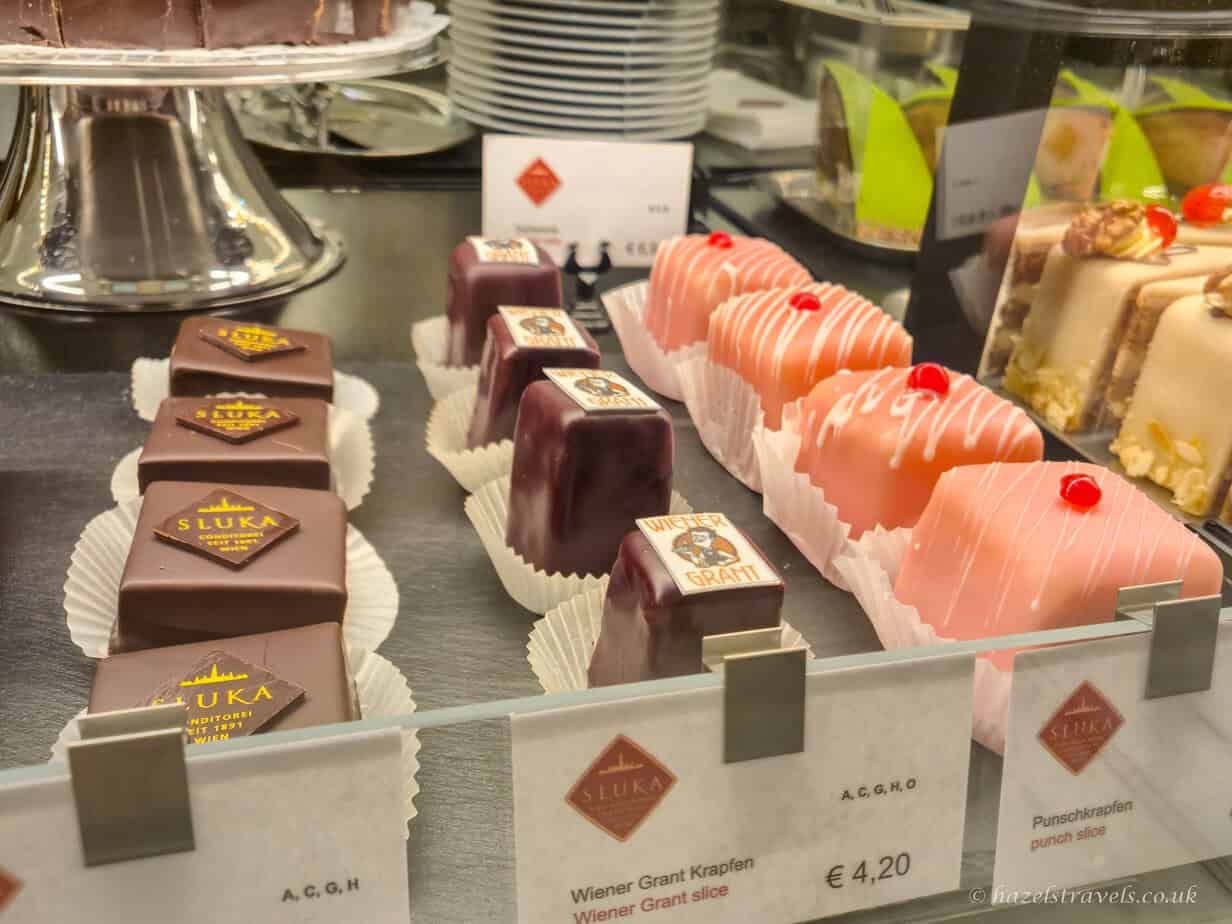
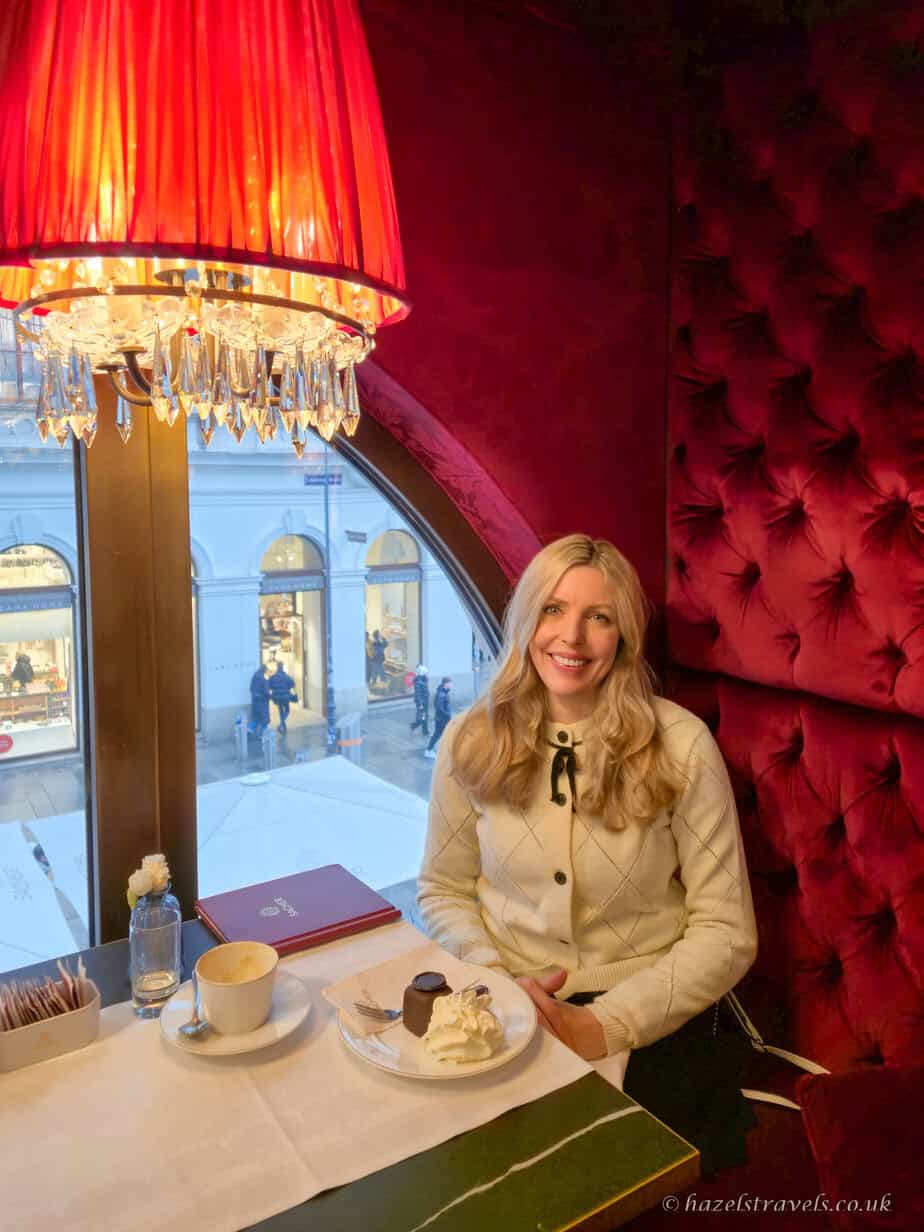
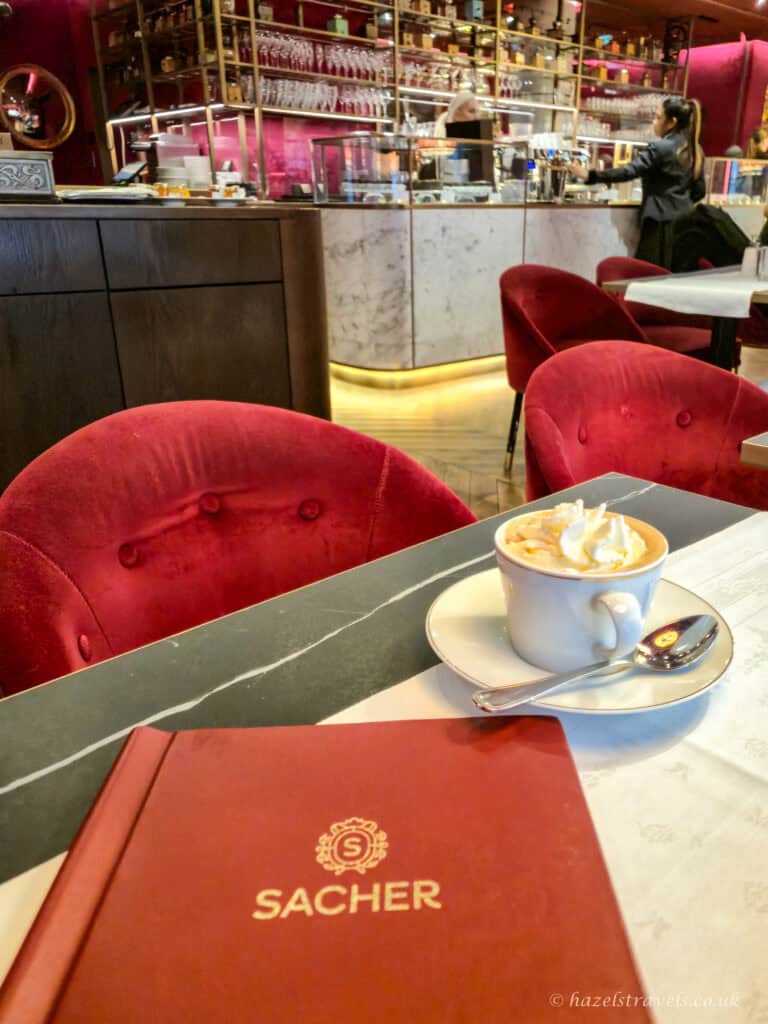
Café Sacher felt slightly softer, perhaps because it is heavily visited by tourists. In more traditional places like Sluka, service was brisk, efficient and entirely free of performative warmth.
At first, it can feel slightly disconcerting, especially if you are used to very smiley, chatty service.
Then I went on a small coffee tour that turned out to be just me and three Austrian guides. It felt less like a tour and more like sitting with three friends who happened to know everything about Viennese culture.
Before I even asked, one of them said, “You are definitely welcome. Even if it does not feel like it.”
The guide explained that what we were experiencing was often referred to as Wiener Grant, a culturally accepted dryness. It is not hostility, and it is not meant to be rude. It is simply a restrained style of service that has become part of Viennese identity.
He explained that sometimes Austrian staff lean into the stereotype. They know they are expected to be a little reserved, a little dry. So they might as well commit.
Once you understand that, the grumpiness feels less personal. It starts to feel almost theatrical.
You are welcome. You just might not be welcomed in the way you expect.
You Are Meant to Stay
Vienna coffee culture is not built around turnover.
You are not expected to order quickly and leave. You are expected to sit. To read. To linger.
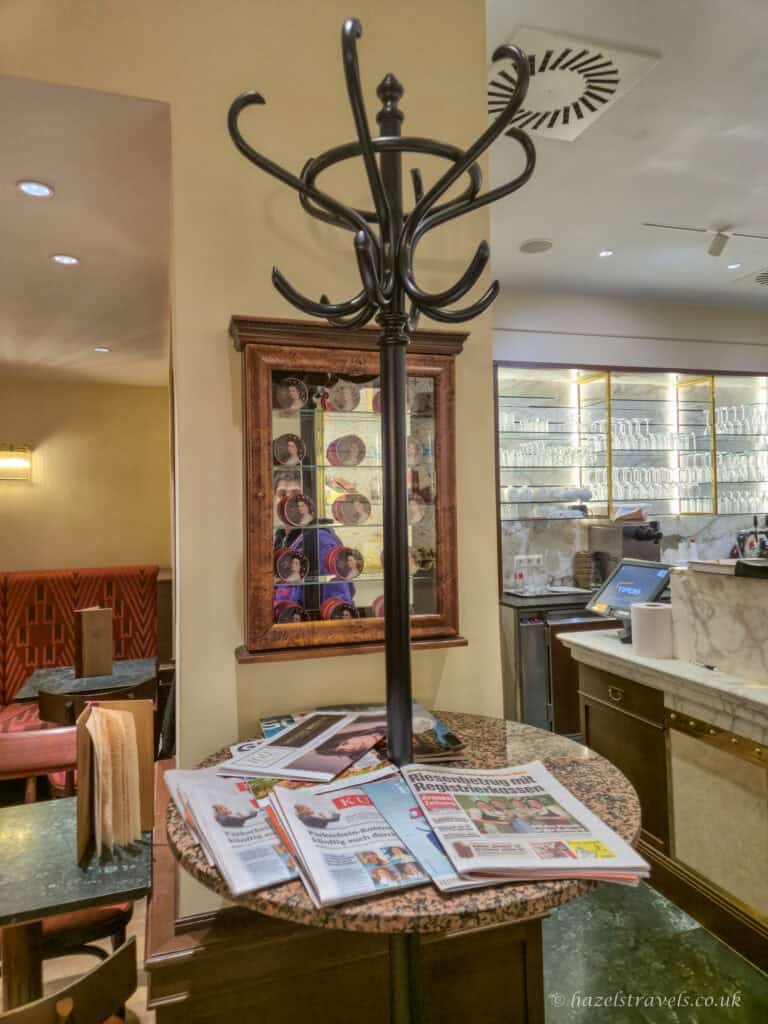
Many Viennese coffee houses provide newspapers on traditional wooden holders, a practice that dates back to the 19th century when cafés functioned as intellectual meeting places. Writers, politicians and artists spent hours here.
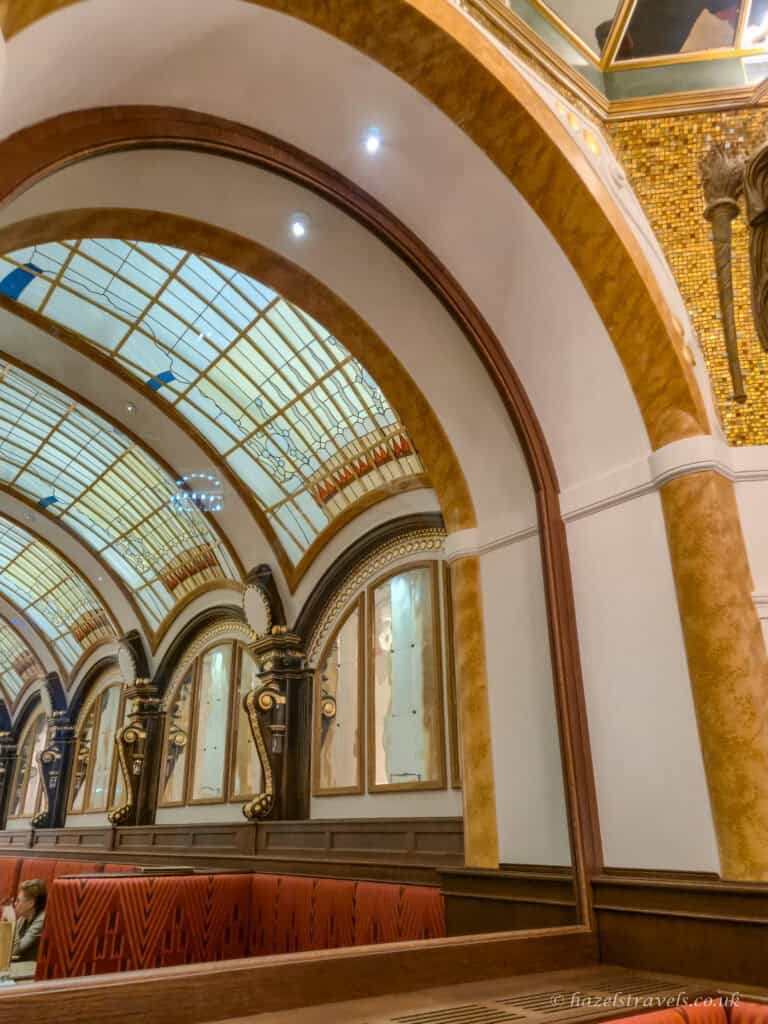
The mirrors, high ceilings and marble tables are not decorative flourishes. They create space. Light. A sense that time moves differently inside. Even your thoughts feel slightly more intellectual under a chandelier.
As a solo traveller, I found this genuinely comforting. I did not feel hurried. You order a coffee and, for a while, the table is yours. No one appears with the bill just because you made eye contact.
In a world that usually wants you to order, drink and leave, that feels quietly radical.
I did not spend entire afternoons in one place, but I stayed longer than I normally would anywhere else. There was no pressure to move on.
What to Order (And Why It Might Look Different)
The classic Viennese order is a melange, roughly comparable to a cappuccino.
In Café Sacher, mine arrived topped with whipped cream. In Sluka, it did not. I later learned that the whipped cream version is often aimed at visitors, while locals tend to have it without. I drank mine happily anyway.
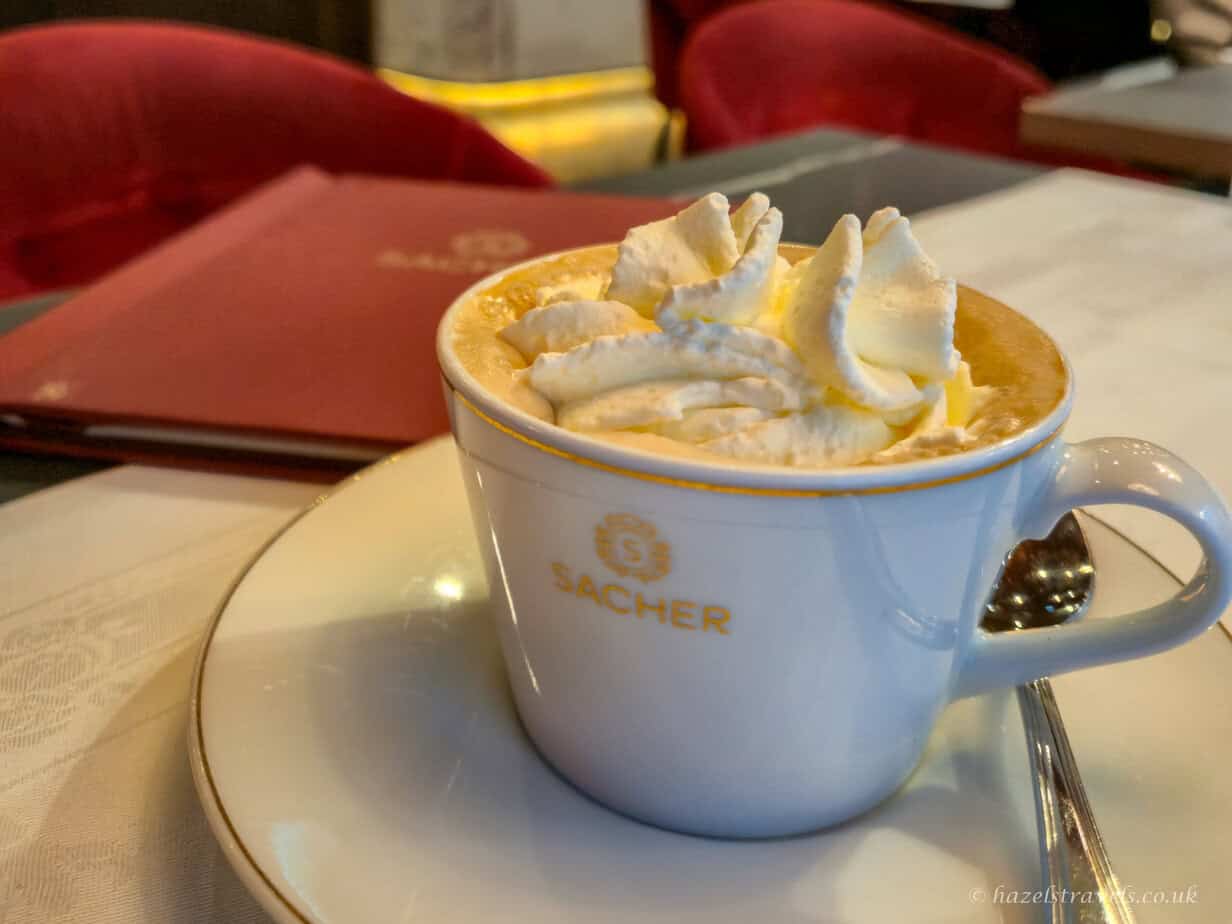
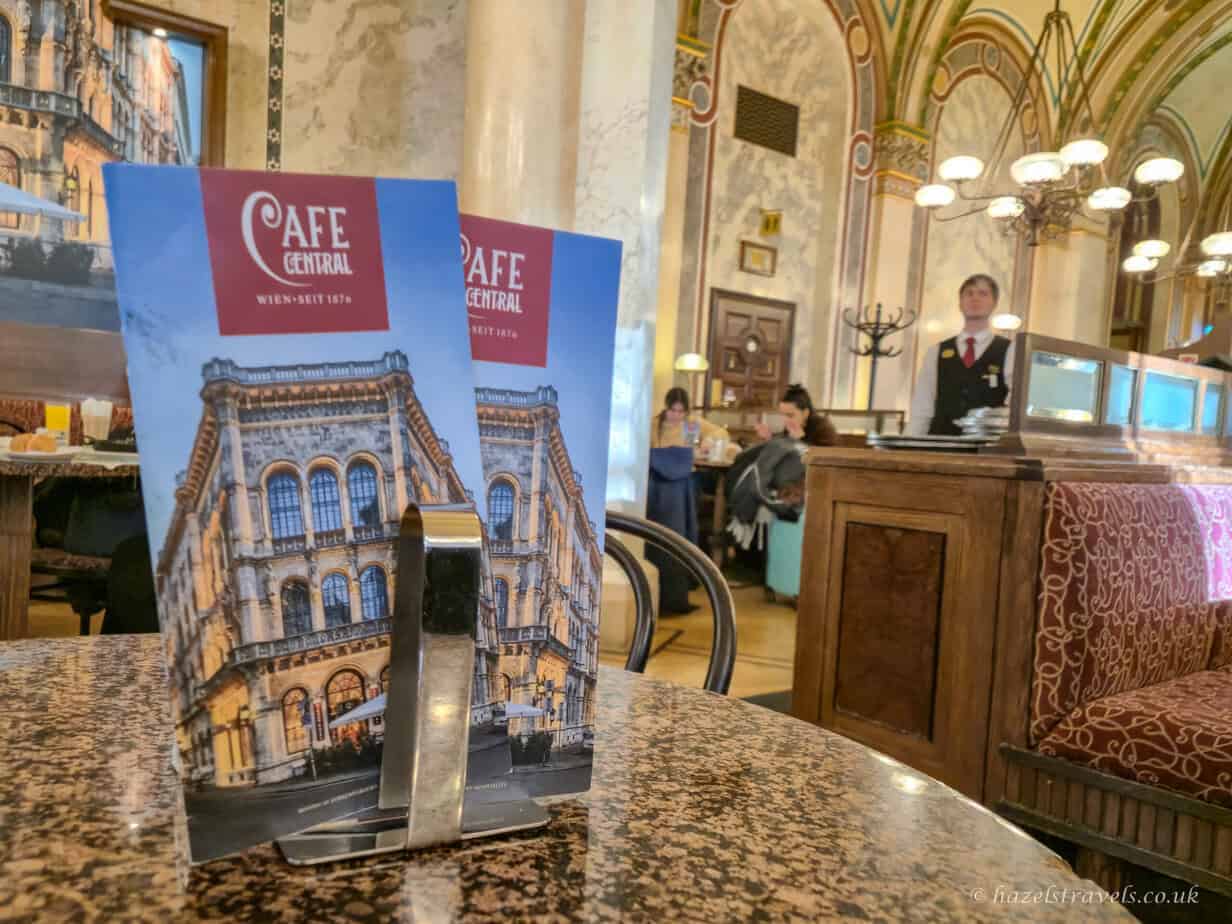
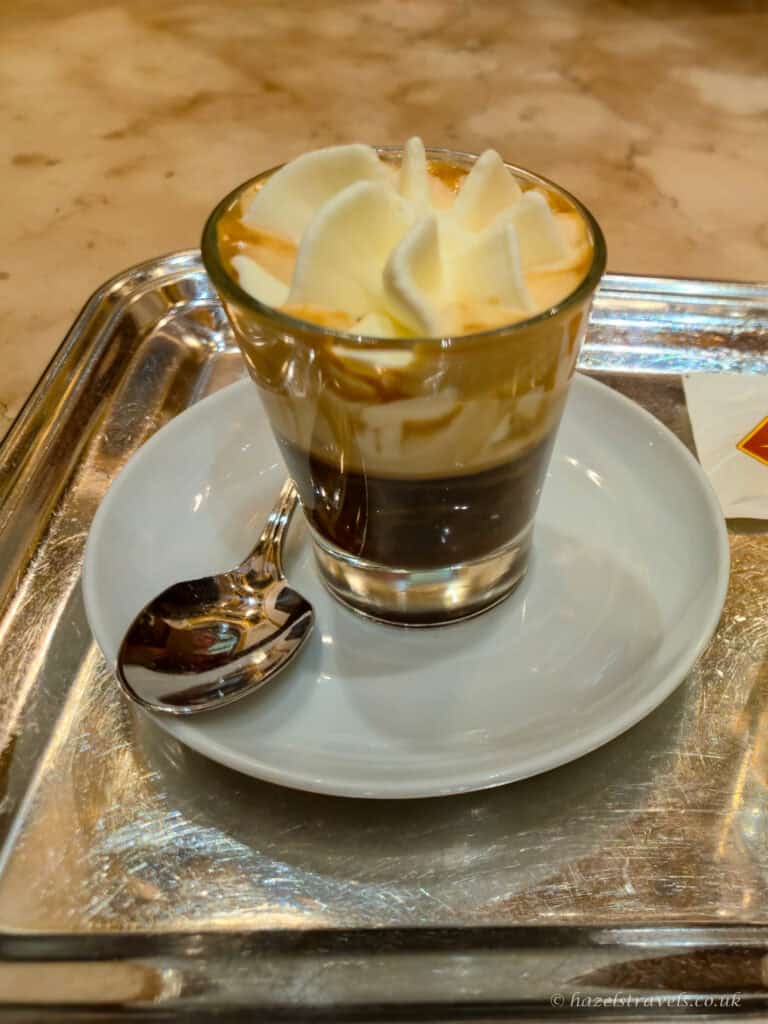
I also tried an Einspanner, served in a glass with strong black coffee beneath a thick layer of whipped cream (pictured above, alongside the newspaper stand). It is simple, slightly indulgent, and excellent.
And then there are the cakes.
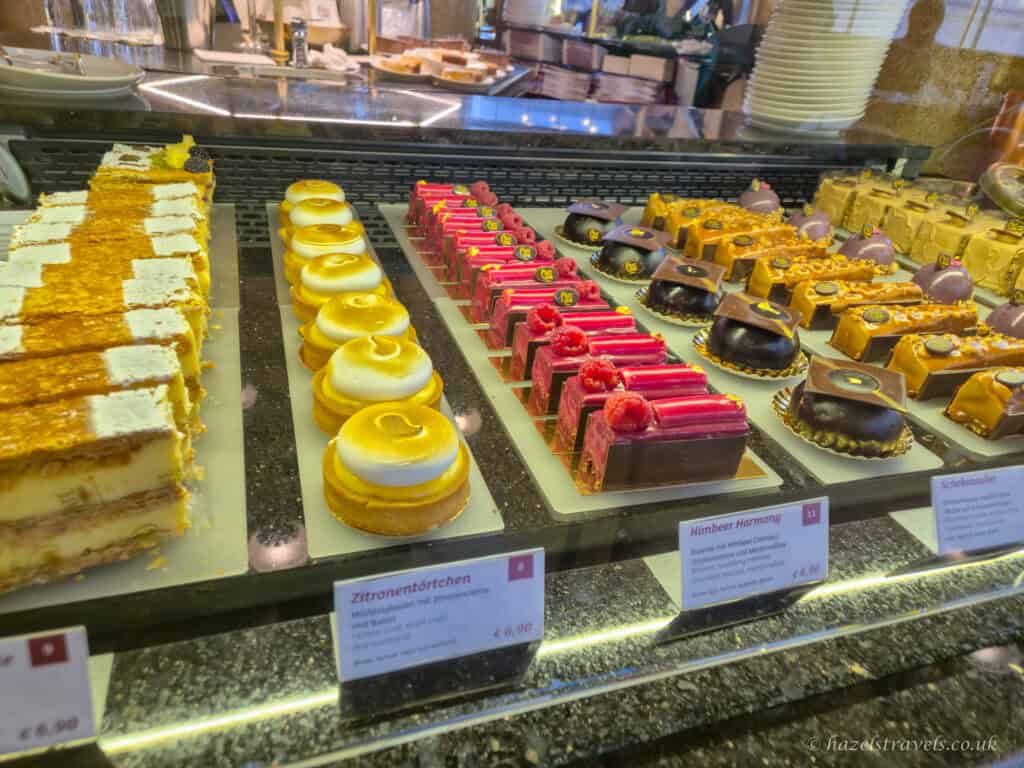
Sachertorte, of course. Punschkrapfen. Apfelstrudel slices and elaborate layered creations like Dobostorte, with thin sponge layers and caramel topping that crack slightly under your fork. There is something deeply satisfying about a cake that makes a sound.
The best traditional coffee houses still make their cakes in-house, which explains why they taste so unapologetically good.
The Interiors Matter
Vienna’s coffee houses are part of the city’s cultural heritage, and they feel like it.
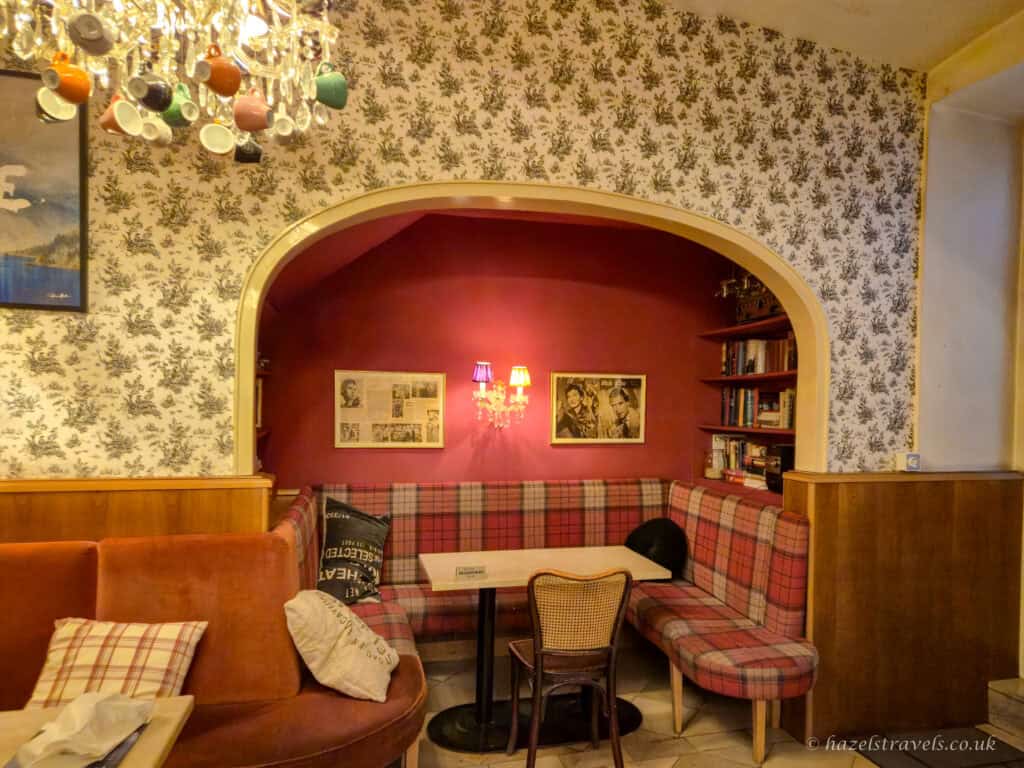
Grand ceilings. Crystal chandeliers. Marble tables with bentwood chairs. Glass display cases gleaming with pastries. Walls lined with mirrors.
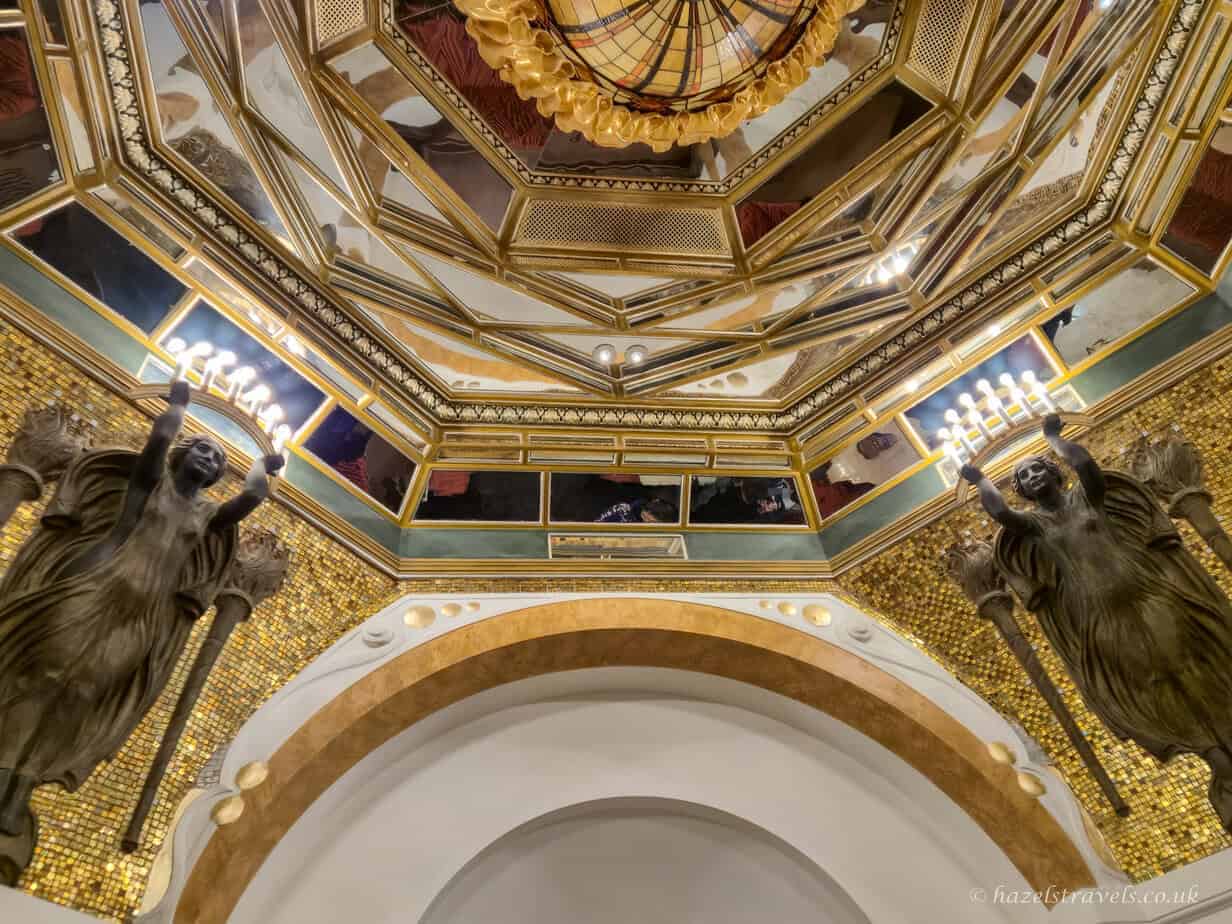
Even the café inside the Kunsthistorisches Museum felt extraordinary, theatrical in its grandeur.
Behind the elegant front rooms, there are often bakery areas and quieter back spaces that locals favour. You might not notice them unless someone points them out.
The coffee is important. The setting is equally so. These are not simply places to grab caffeine. They are social institutions disguised as cafés.
👉 Read more: A closer look inside Vienna’s incredible Kunsthistorisches Museum.
Understanding the Rhythm
If you are used to overly enthusiastic service, Vienna may feel abrupt at first.
The service is reserved. The pace is slower. The rules are unspoken. If you arrive expecting bright smiles and constant check-ins, you might feel momentarily unsure of yourself.
But once you understand the rhythm, it becomes comfortable.
You are not being rushed, because you are not meant to be rushed. The serving staff are not unfriendly. They are simply not performing warmth for you. The marble tables and newspapers are not decorative quirks; they are reminders that these spaces were designed for thinking, lingering and conversation.
For a solo traveller, that quiet permission to sit and exist without pressure is part of the appeal.
Order a melange. Try a slice of cake. Take your time.
That is Vienna coffee culture. It is not trying to impress you, and that is entirely the point.
FAQs About Vienna Coffee Culture 💡
Planning to experience Vienna coffee culture for yourself? Here are some quick answers to the most common questions.
What is Vienna coffee culture?
Vienna coffee culture refers to the city’s historic coffee houses, where cafés function as social spaces rather than quick caffeine stops. Expect marble tables, chandeliers, newspapers, house-made cakes, and an atmosphere designed for lingering.
Why do Viennese waiters seem grumpy?
What feels like grumpiness is often Wiener Grant, a culturally accepted dryness or reserve. It is not meant to be rude. It is rarely personal. Service is efficient and understated rather than overly friendly.
How long can you stay in a Vienna coffee house?
There is no strict time limit. Traditionally, ordering one coffee allows you to sit for as long as you like. Lingering is part of the experience.
What should I order in a traditional Viennese café?
A melange is the classic choice, similar to a cappuccino. An Einspanner, served in a glass with whipped cream, is another traditional option. Pair it with Sachertorte, Apfelstrudel, or Punschkrapfen.
Are Vienna coffee houses touristy?
Some famous cafés attract visitors, especially Café Central and Café Sacher. However, even the popular spots maintain traditional elements. Smaller neighbourhood cafés often feel more local.
Is Vienna coffee culture UNESCO listed?
Yes. Traditional Viennese coffee house culture is recognised by UNESCO as part of Austria’s intangible cultural heritage, reflecting its long-standing cultural and social importance.
Continue Exploring Vienna ☕
If you’re building out your Vienna plans, these guides will help you experience the city beyond the coffee table:
☕ Famous Vienna Coffee Houses I Visited (And What They’re Really Like)
The iconic cafés and what they’re actually like inside.
🍽️ Food in Vienna: Schnitzel, Strudel & Seriously Good Coffee
The essential dishes to try, where to eat them, and what not to miss.
🍫 Best Sachertorte in Vienna: Sacher vs Demel (And My Honest Verdict)
The famous chocolate cake showdown, and which version is truly worth ordering.
🏰 Vienna Highlights: The Main Sights (And What They’re Really Like)
The must-see landmarks, minus the glossy brochure version.
🎼 Is a Mozart Concert at Schönbrunn Palace Worth It?
Orchestras, chandeliers, and whether it lives up to the hype.
Pin This Vienna Coffee Guide 📌
Visiting Vienna? Save this guide to Vienna coffee culture, so you know what to order, how long to stay and why the waiters seem grumpy.
👉 Looking for practical travel tools? Check out my Travel Resources page.
Tags: Coffee, Vienna
Leave a Reply