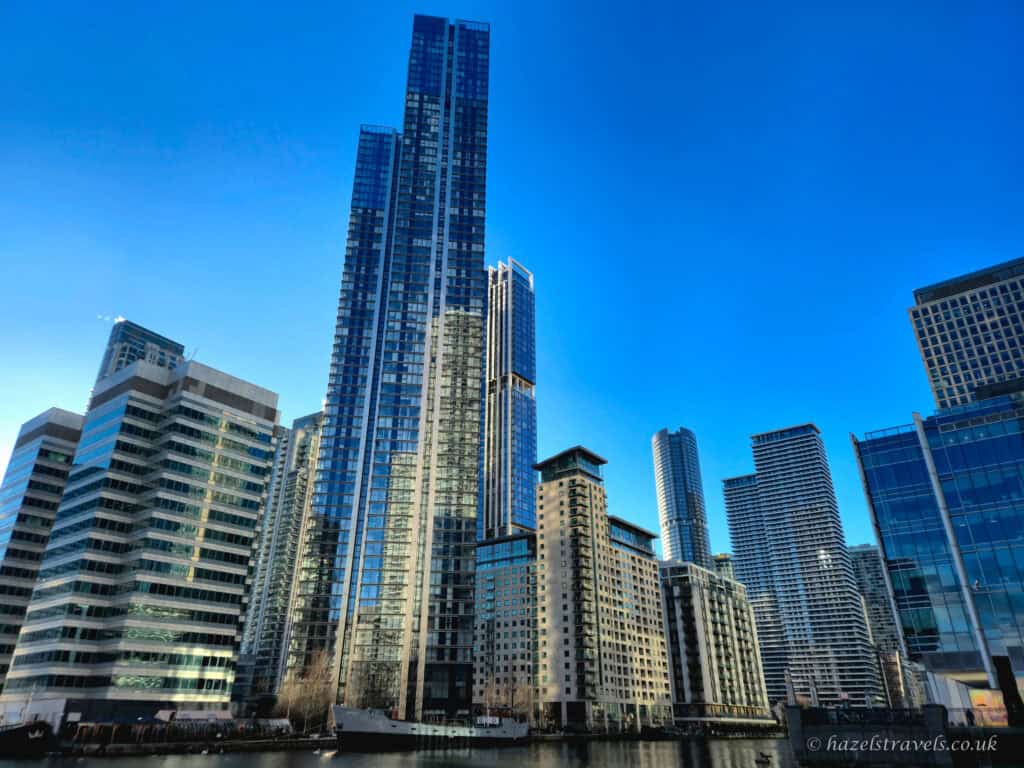
Canary Wharf is one of London’s most distinctive – and divisive – neighbourhoods. Some people love its modern skyline and clean lines. Others find it too polished or too quiet. After a recent winter visit, I started to see why the reactions can be so split.
I may earn a small commission if you make a purchase using my affiliate links.
Canary Wharf is one of the few fully private estates in London – not just managed, but designed and owned end-to-end by a single entity. That alone makes it feel unlike anywhere else in the city.
Thanks to the Jubilee Line and the new Elizabeth Line, it’s easier than ever to reach, and better connected to the rest of London.
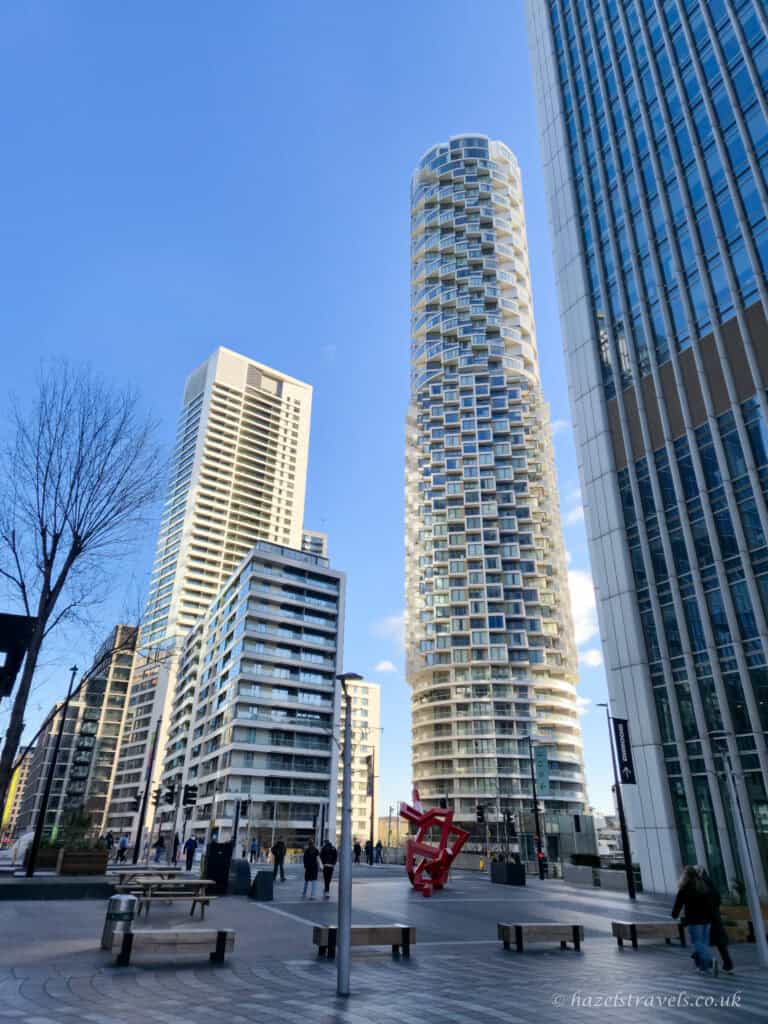
At its core, Canary Wharf is a weekday business district that has been aggressively retrofitted to feel like a lifestyle destination… and at times, that retrofit is still visible.
That doesn’t make it worthless. But it does explain why, at times, it can feel strangely hollow.
First Things First: Canary Wharf Is Not a Building
One of the most common misconceptions is that Canary Wharf refers to the tall, pyramid-topped tower.
It doesn’t.
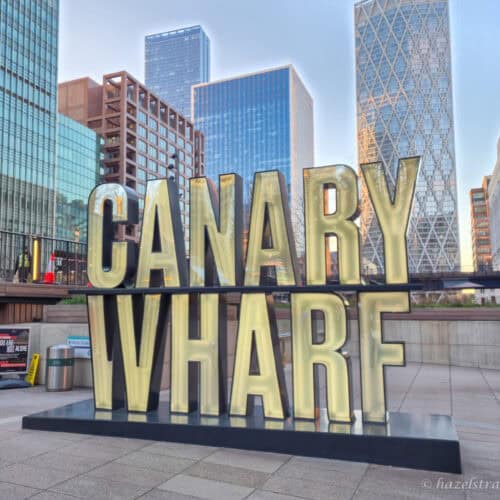
Canary Wharf is the name of the entire district, spread across docks, quays, shopping centres, offices, residential towers, and public spaces. The famous tower is One Canada Square, just one part of a much larger, carefully planned estate.
This confusion alone tells you a lot about how people relate to the area. It looks iconic, but it’s not always intuitive or easy to read.
A Place Built for Weekdays, Not Weekends
I’ve visited Canary Wharf many times over the years, almost always on weekdays. Lunchtime drinks, after-work dinners, busy bars full of people in suits. It made sense in that context.
Visiting on a winter weekend was a completely different experience.
Large parts of Canary Wharf felt eerily quiet. Restaurants were open but almost empty. Shopping malls were pristine but hushed. At times, it felt less like a neighbourhood and more like a film set waiting for the actors to arrive.
This isn’t a criticism so much as an explanation.
Canary Wharf’s energy is people-led, not place-led, and when the people aren’t there, it feels different. Without the weekday buzz, it can feel oddly cinematic. All skyline and structure, but with the volume turned down.
The Architecture Is Genuinely Impressive (In the Right Conditions)
If you like modern architecture and photography, Canary Wharf is brilliant.
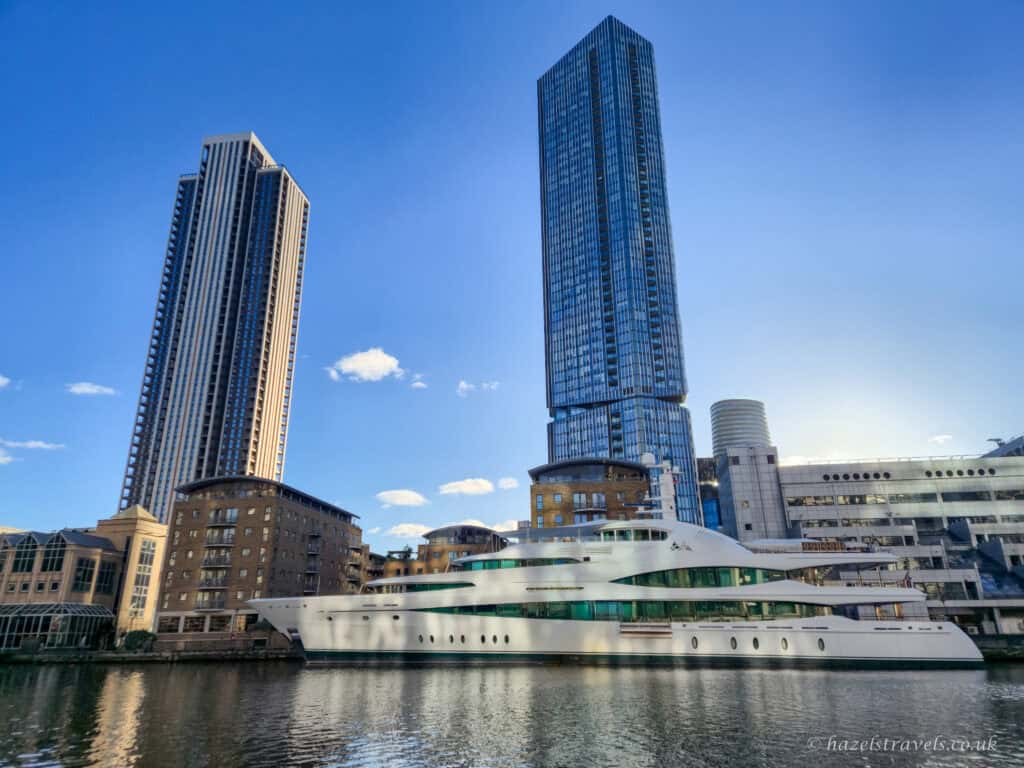
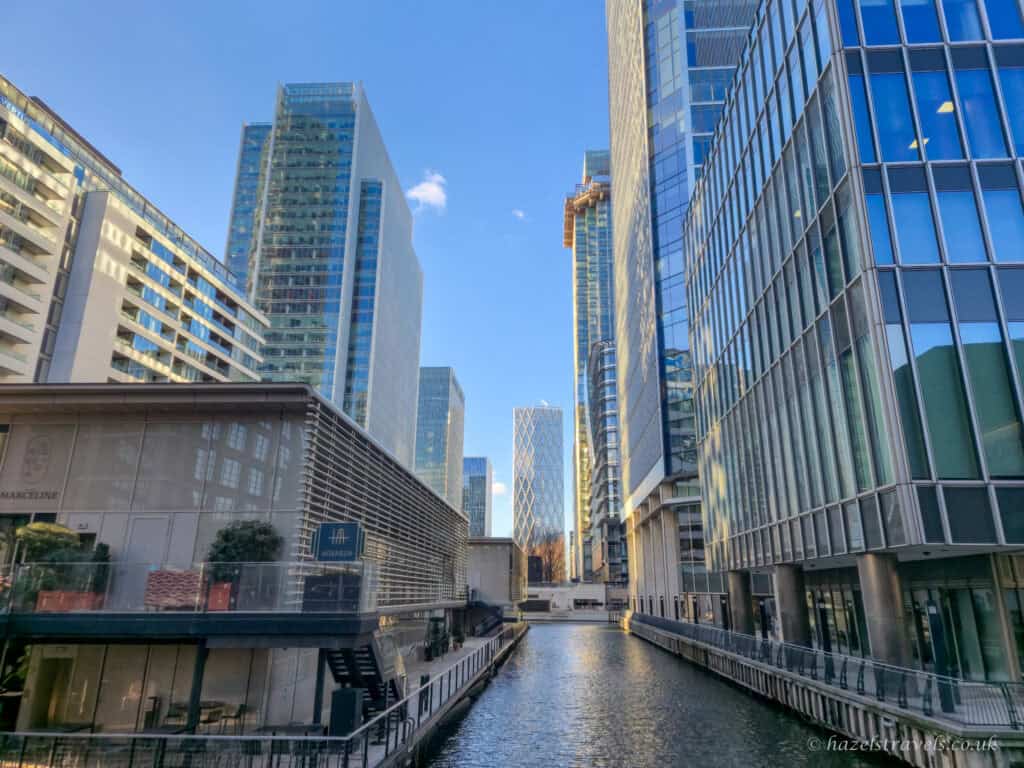
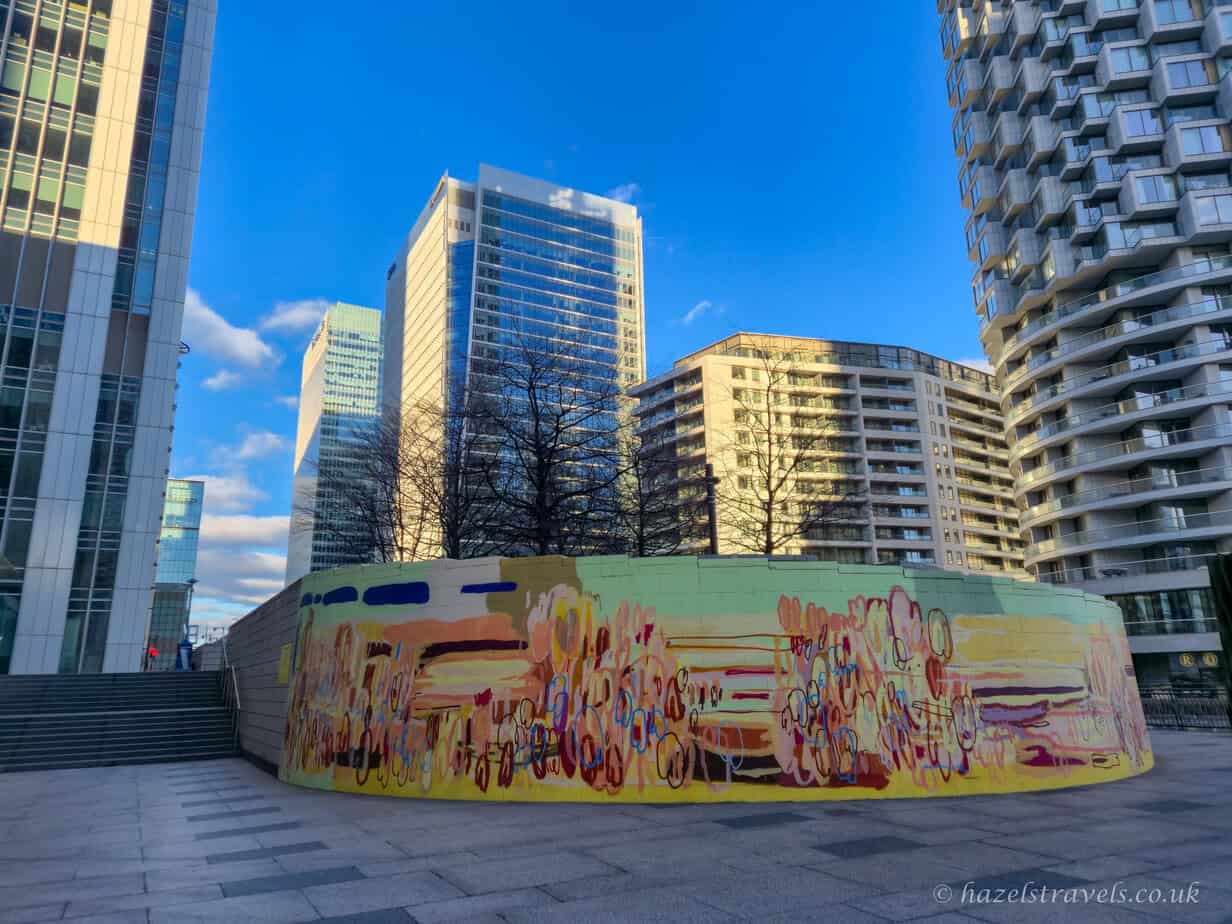
On a clear winter day, the glass-and-steel skyline reflects light beautifully. Water, clean lines, symmetry, and scale make it a dream for architectural photography. At weekends, when it’s quiet, you can shoot uninterrupted, minimalist compositions without crowds.
This is where Canary Wharf really shines.
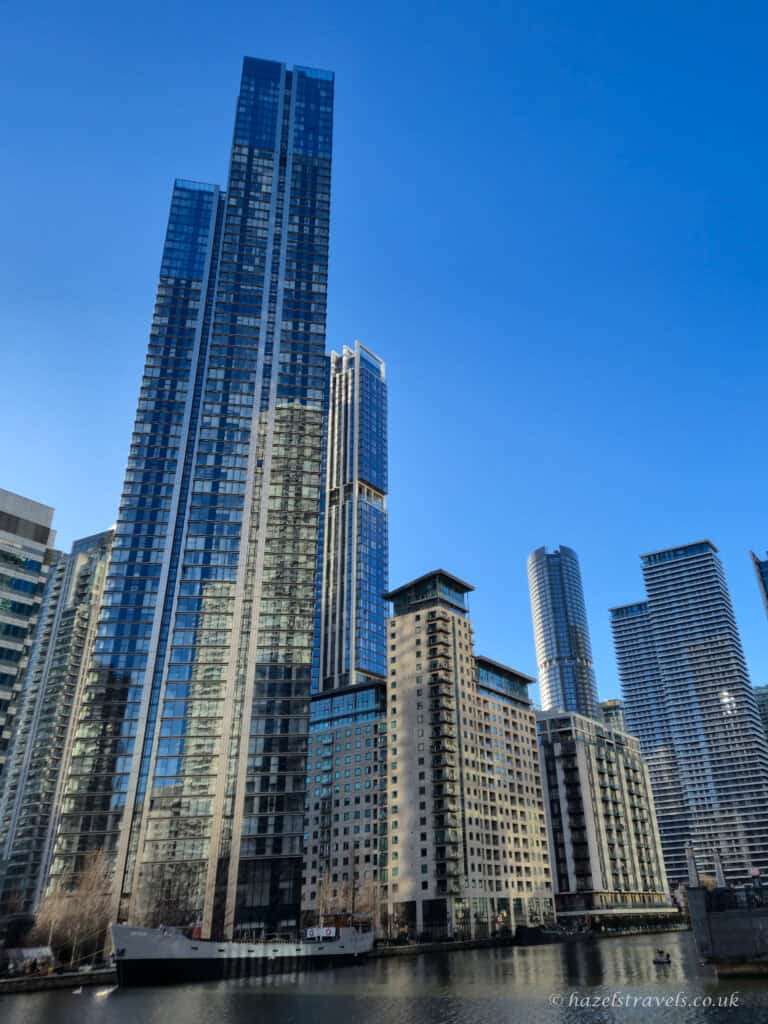
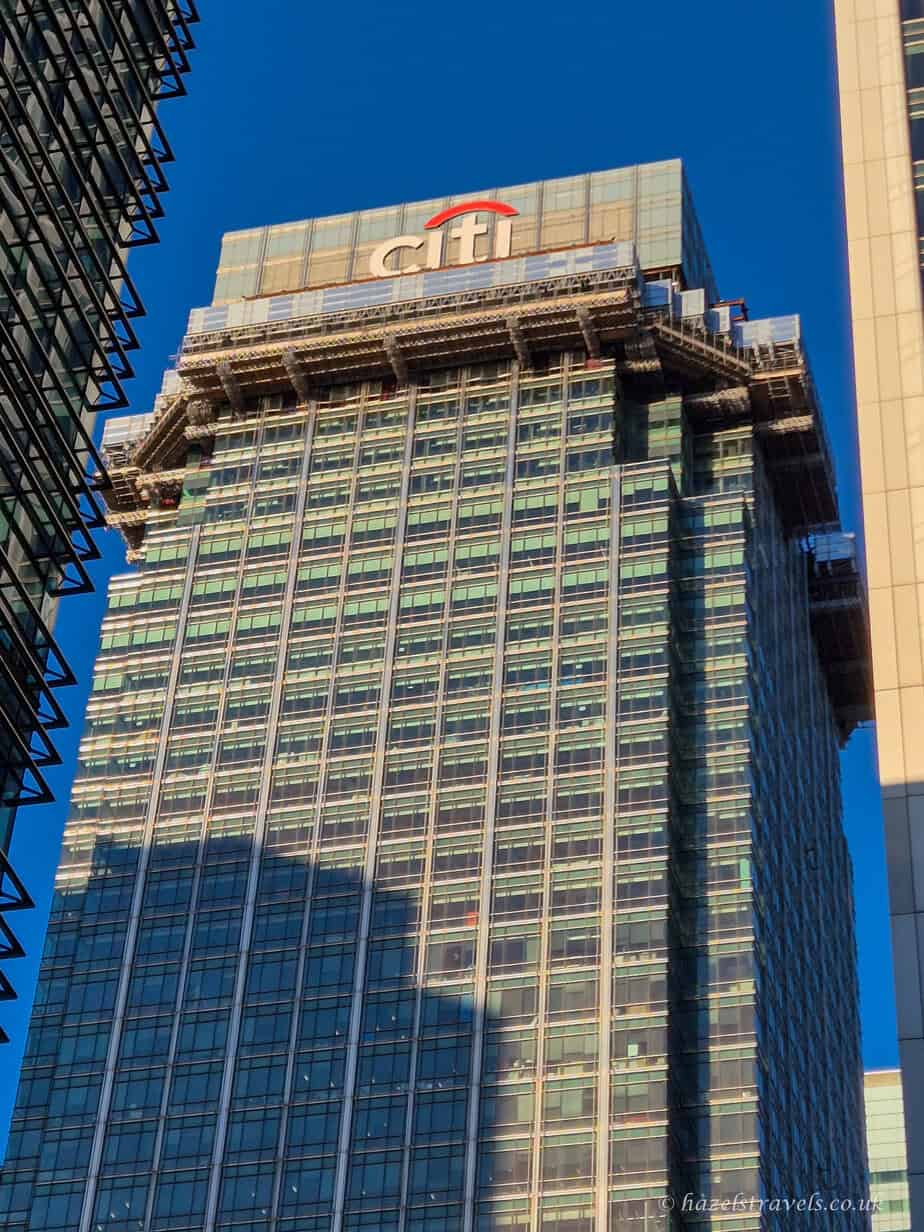
In grey or rainy weather, it’s more of a challenge for casual wandering, but those conditions can suit moodier, more atmospheric architectural shots.
Being close to London City Airport also means you’ll often see planes passing overhead, which adds another interesting angle for photographers.
Crossrail Place Roof Garden: Setting Expectations
The Crossrail Place Roof Garden is often listed as a highlight – but if you’re picturing something lush and open-air, it might catch you off guard. The garden is enclosed, compact, and designed more for quiet reflection than sweeping views.
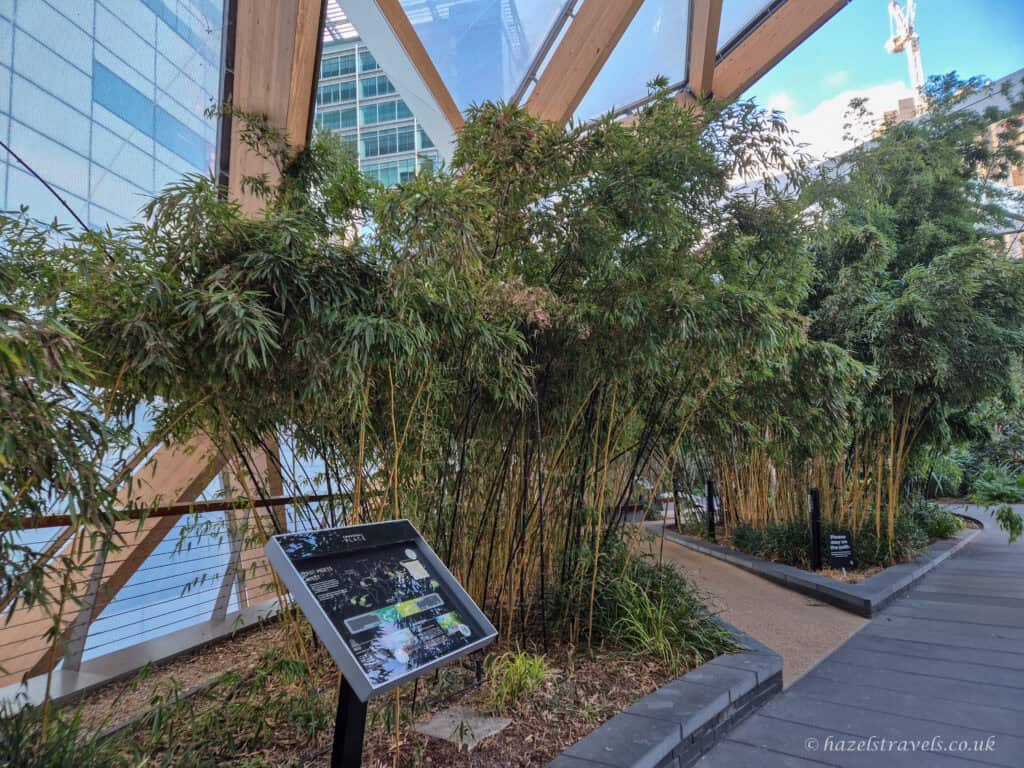
It’s not a rooftop garden in the way you might be thinking when you think of London.
It’s fine as a place to duck into out of the rain, but it’s not a destination in its own right.
Winter in Canary Wharf: Lots of Effort, Mixed Results
To be fair, Canary Wharf tries harder than most parts of London to feel appealing in winter.
There’s genuine creativity in the seasonal pop-ups, from sauna boats to alpine bars. It’s refreshing to see a business district trying to surprise you.

In summer, the vibe shifts again, with pop-up bars, outdoor seating, and even a floating swimming pool in the docks, giving the area a more playful, waterside feel.
Whether it feels atmospheric or a little surreal depends on when you visit (the time of year and the day of the week).
👉 Read more: 6 Best London Neighbourhoods to Visit in Winter.
Novelty, Alcohol, and Corporate Play
One of the biggest shifts in Canary Wharf is how entertainment-led it has become.
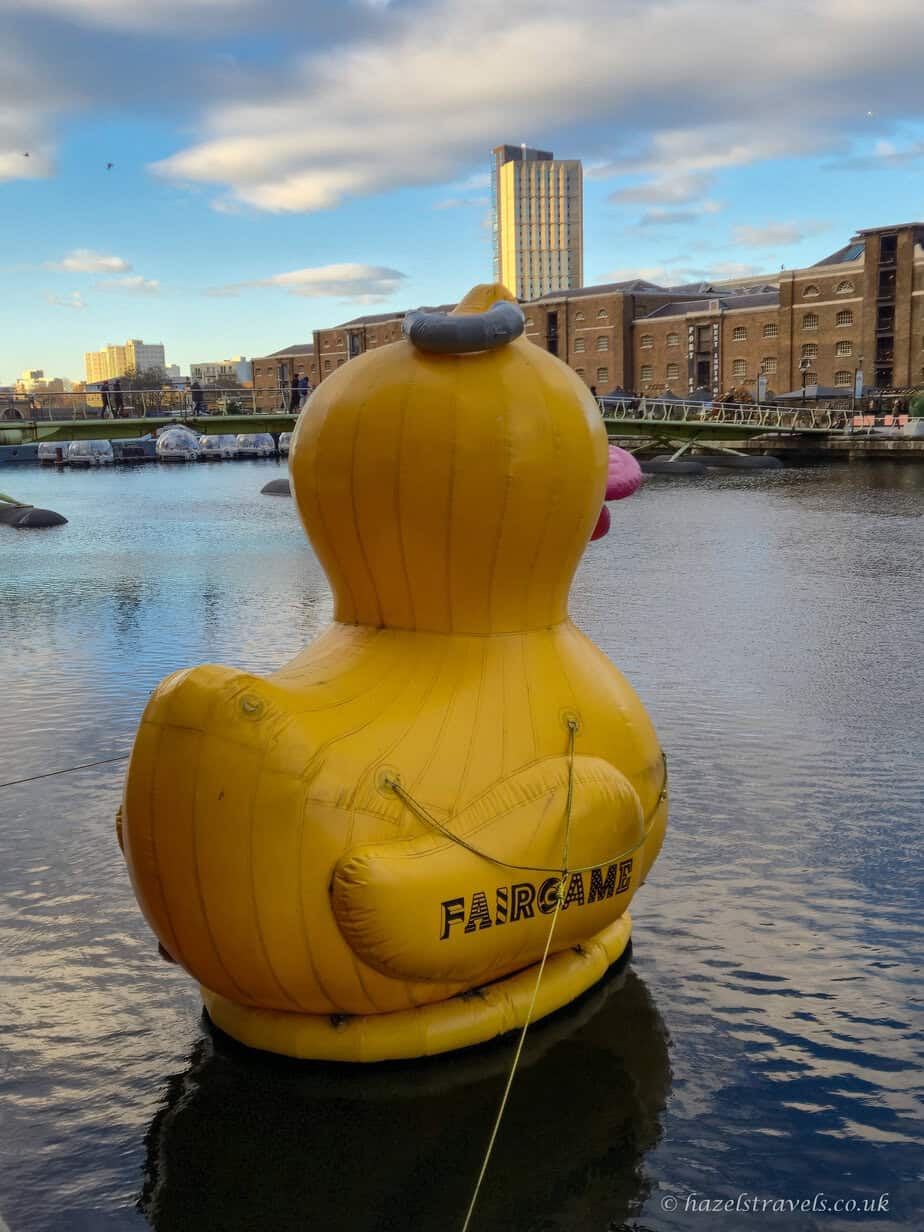
There are now numerous venues built around alcohol-led “play”: shuffleboard bars, ping-pong bars, axe throwing, fairground-style venues like Fairgame, marketed as an adult playground with drinks.
These venues are great if you’re up for a social, slightly silly experience – think team drinks or birthday chaos – but they’re less compelling if you’re exploring solo or looking for a calm atmosphere.
Skuna Boats: Novelty with Mixed Reviews
The much-advertised Skuna boats are another example of expectation versus reality.
The hot tub boats are exactly what they say on the tin – floating tubs of hot water. Fun for groups, less magical if you’re expecting a serene cruise.
The enclosed igloo boats are more practical, but the reality doesn’t quite match the marketing. At weekends, they tend to attract families, birthday groups, and novelty seekers rather than the sleek, cocktail-drinking crowd they’re often associated with.
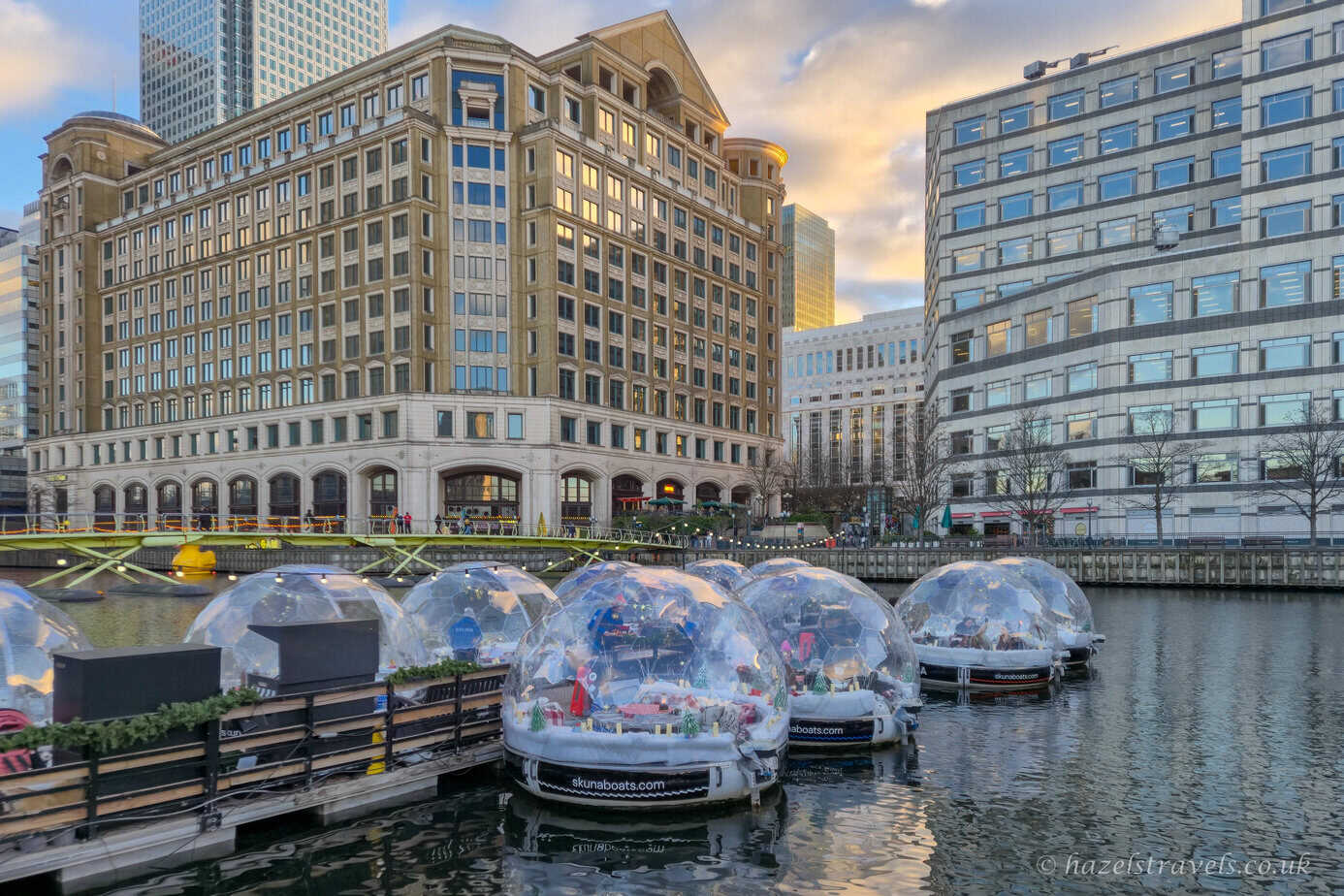
The igloo boats are typically moored together near the jetty for dining, which makes it feel more like a themed seating area than a journey on the water.
They’re not terrible. They’re just very niche.
Where Meaning Breaks Through: Art and the Docklands Museum
Two things stood out precisely because they did have substance.
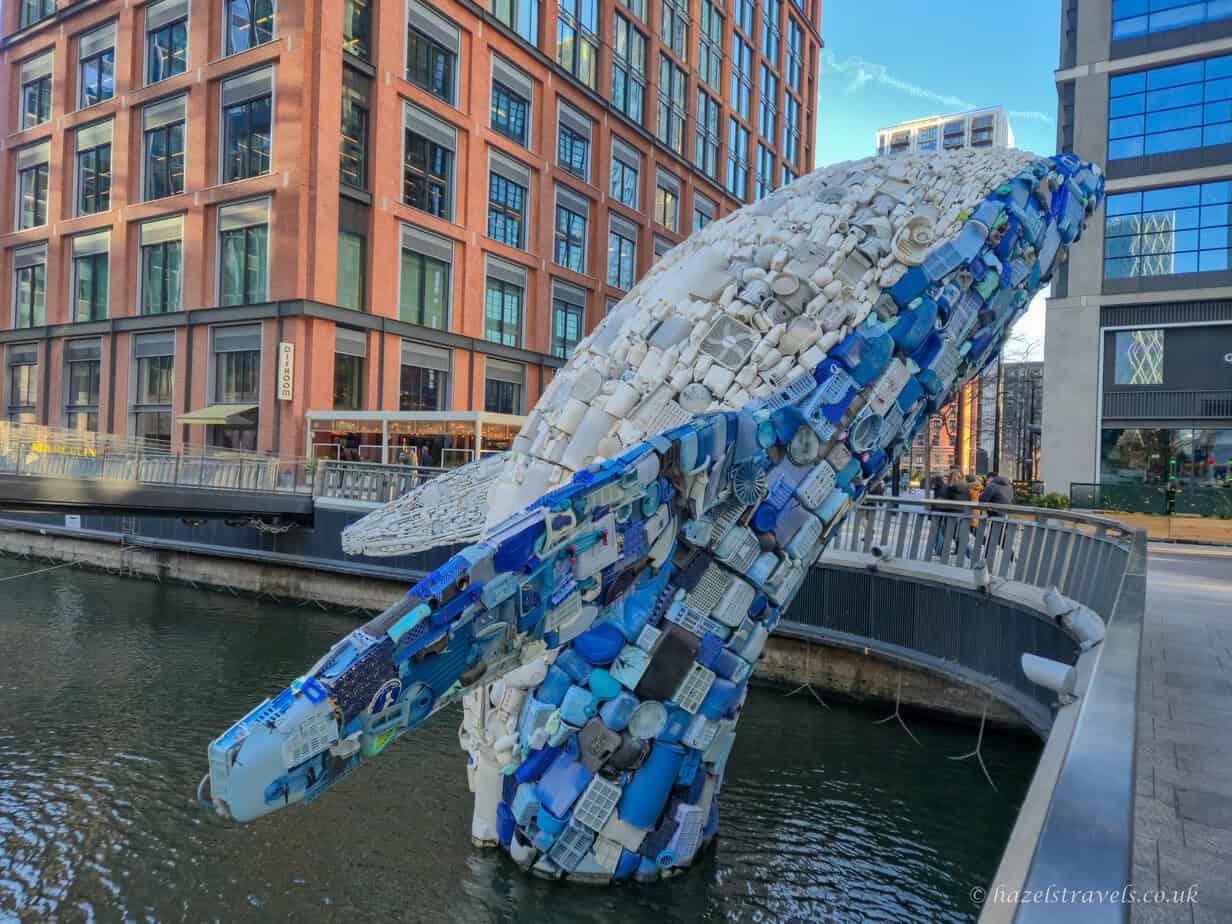
The whale sculpture made from discarded plastic waste was genuinely striking. It had a message, a point of view, and emotional weight. In a place that often feels polished to the point of blandness, that mattered.
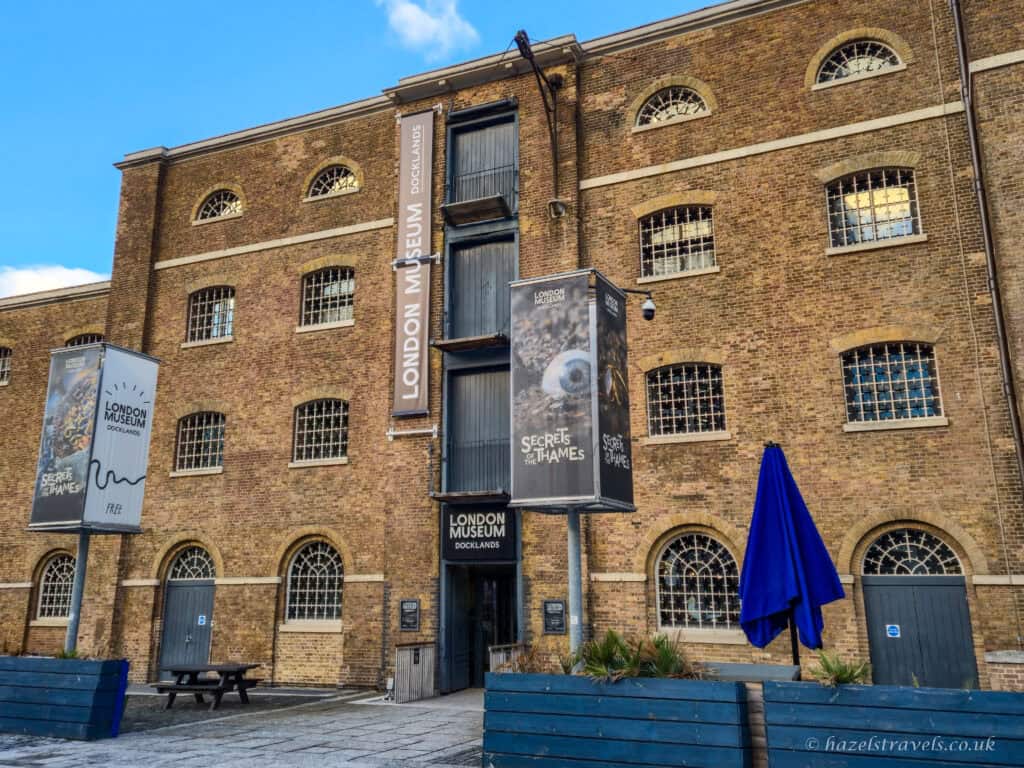
The Museum of London Docklands was another highlight. It’s free, well-curated, and offers real historical depth, reminding you that this area was once one of the world’s busiest docks long before it became a financial centre.
It’s in moments like these – where Canary Wharf looks back or looks inward – that you feel something deeper than design.
These moments worked because they had meaning, not just money behind them.
So, What Is Canary Wharf Really Like to Visit?
What Canary Wharf is really like depends a lot on when you go, and what you’re looking for.
You may enjoy Canary Wharf if:
- You love modern architecture.
- You enjoy clean, controlled environments.
- You’re interested in photography.
- You’re visiting on a weekday.
- You’re drawn to novelty-led entertainment.
You may dislike it if:
- You prefer historic streets and organic character.
- You value atmosphere over aesthetics.
- You’re visiting on a quiet weekend.
- You’re expecting traditional London charm.
Canary Wharf isn’t bad. It’s just very specific.
And once you understand that, it makes a lot more sense.
What It All Adds Up To ✨
Canary Wharf is a place designed with precision – sleek, spacious, and constantly evolving. It’s impressive, wealthy, and immaculately maintained.
It doesn’t have the chaotic charm of Soho or the layered history of Greenwich. But it offers something else: clarity, order, scale, and a kind of surreal calm that can be surprisingly refreshing.
The most rewarding moments often come when that polished surface cracks open – in a museum, a sculpture, or a glimpse of the docks that shaped London’s past.
Visit knowing what it is, and you’ll find far more to appreciate than you might expect.
👉 Want to see what you can actually do in Canary Wharf? Here’s a practical guide to things to do in Canary Wharf.
FAQ: Canary Wharf for Visitors 🧠
Wondering what Canary Wharf is really like to visit? These FAQs cover the most common questions from first-timers and curious Londoners alike.
Is Canary Wharf worth visiting for tourists?
Yes, especially if you’re interested in modern architecture, photography, or experiencing a different side of London. While it’s not as atmospheric as older neighbourhoods, it’s clean, striking, and constantly evolving.
What is there to do in Canary Wharf on weekends?
Weekends are quieter, but you’ll find lots of things to do in Canary Wharf – like pop-up markets, public art, rooftop gardens, shopping centres, and quirky experiences like hot tubs or igloo boats. It’s best suited to wandering, photographing, and discovering things at a slower pace.
Why does Canary Wharf feel different to the rest of London?
It’s a fully private estate – designed, owned, and managed by a single entity – so it feels more curated and controlled than organically grown areas of the city. That can make it feel ultra-modern, but also a bit less “London-y”.
Is Canary Wharf good for photography?
Yes. The architecture is dramatic, the lines are clean, and the reflections across water and glass are especially striking on clear days. It’s also much easier to photograph on weekends when the streets are emptier.
Is there anything fun to do in Canary Wharf besides work?
Yes, if you enjoy novelty-led entertainment. Think shuffleboard bars, immersive mini-golf, rooftop cocktails, seasonal installations, and venues like Fairgame that blend games and drinks in a lively setting.
When is the best time to visit Canary Wharf?
Weekdays if you want atmosphere and a buzz. Weekends if you prefer quiet photography, exploring public art, or seeing the architecture with fewer crowds. Winter can be fun thanks to seasonal pop-ups, though it depends on your vibe.
Related Reading 📚
If you’re planning a London trip or exploring different neighbourhoods, you might also enjoy:
🌆 Things to do in Canary Wharf, London
❄️ Things to Do in London in Winter
🌿 Things to Do in Greenwich, London
🇬🇧 15 Icons of London (and How to Experience Them Like a Local)
👑 Things to Do in London: Royals & River Vibes
Save This for Later on Pinterest 📌
Planning a London trip or deciding whether Canary Wharf is worth visiting? Use the image below to save this post to your Pinterest boards so you can come back to it later.

👉 Looking for practical travel tools? Check out my Travel Resources page.
Tags: London, UK
Leave a Reply